Driving Lesson Prices in Birmingham and Why They Are Increasing
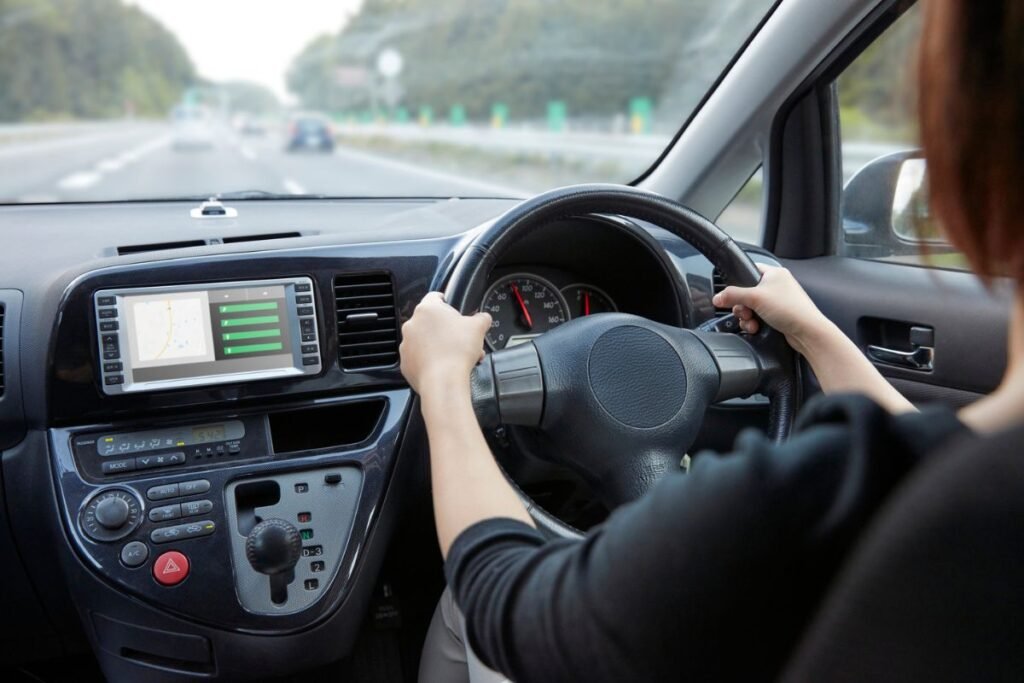
Learning to drive is becoming a significant expense for many people across Birmingham. As the cost of professional driving tuition rises, learners are increasingly looking at driving lesson prices, intensive courses and the other costs involved in getting a full UK driving licence. The price of a driving lesson can vary depending on the instructor, location, type of vehicle and course. However, the latest figures from the Driver and Vehicle Standards Agency (DVSA) show that £36 to £40 is currently the most common price range for a one-hour driving lesson in Great Britain. In the West Midlands, which includes Birmingham, 48.9% of instructors reported charging between £36 and £40 per hour, while 14.1% charged £41 or more. So, why are driving lessons becoming more expensive, and what should Birmingham learners expect to pay? How Much Are Driving Lessons in Birmingham? There is no single price for driving lessons in Birmingham. Individual instructors and driving schools set their own rates, and prices can differ according to the type of lesson and the instructor’s availability. The latest DVSA survey of Approved Driving Instructors provides a useful picture of current UK pricing. In October 2025, 50.3% of instructors charged between £36 and £40 for a one-hour lesson. A further 22.5% charged £41 to £45, while 5% charged £46 to £50. The West Midlands remains one of the regions where lower and mid-range prices are relatively common. According to the same survey, 37% of instructors in the region charged £35 or less, 48.9% charged £36 to £40, and 14.1% charged £41 or more. This means Birmingham learners may find a range of prices when comparing instructors. The cheapest option is not necessarily the most cost-effective if the learner needs considerably more lessons to reach test standard. Why Are Driving Lesson Prices Increasing? Several factors can contribute to higher driving lesson prices. Driving instructors have substantial business costs. Unlike employees with a fixed salary, self-employed instructors generally need to cover their own vehicle costs, fuel, insurance, servicing, maintenance, road tax and other business expenses. The vehicle used for teaching also has to cope with significantly more mileage than a typical private car. Frequent stopping, starting, manoeuvring and use by different learners can contribute to wear and maintenance requirements. Insurance is another important consideration. Driving instructors need appropriate cover for providing professional tuition, and insurance costs can affect the price they need to charge. Fuel and general operating costs can also influence lesson prices. When the cost of running a driving school increases, instructors may need to adjust their hourly rates to keep the business viable. Instructor Availability Can Also Affect Prices Supply and demand can influence driving lesson prices. The DVSA’s 2025 survey found that 45.4% of Approved Driving Instructors had availability to take on new pupils. This was an improvement compared with the previous survey, but availability still varies between locations and instructors. In areas where learners are competing for a limited number of instructors, prices can be higher. Popular instructors may also have waiting lists, particularly when demand increases around periods when young people are looking to learn to drive. This is one reason why learners should compare several instructors rather than assuming that every driving school in Birmingham charges the same amount. Current Driving Course Prices at Learner Driving School For learners looking for structured training in Birmingham, Learner Driving School currently lists intensive driving courses for both manual and automatic cars. Its current pricing page lists: Course Hours Price Manual Intensive 5 hours £170 Manual Intensive 10 hours £340 Manual Intensive 15 hours £510 Manual Intensive 20 hours £680 Automatic Intensive 5 hours £170 Automatic Intensive 10 hours £340 Automatic Intensive 15 hours £510 Automatic Intensive 20 hours £680 Pass Plus Six modules £240 These prices are listed on Learner Driving School’s current pricing page and should be checked again before booking because driving school prices can change. The school’s current Birmingham service also covers areas including Birmingham, Handsworth, Small Heath, Kings Heath and Perry Barr. How Much Does It Cost to Learn to Drive? The total cost depends heavily on how many lessons a learner needs. The DVSA states that most learners require around 45 hours of professional instruction combined with around 22 hours of private practice to reach the standard needed to pass the practical test. However, this is not a fixed requirement. Some learners need fewer hours, while others require considerably more. At £40 per hour, for example, 45 hours of professional tuition would cost £1,800. At £45 per hour, the same 45 hours would cost £2,025. This demonstrates why even a relatively small increase in the hourly lesson price can make a noticeable difference to the overall cost of learning to drive. Private practice can potentially reduce the number of professional lessons required, provided it is carried out legally, safely and with a suitable supervising driver and appropriately insured vehicle. Don’t Forget the Cost of the Driving Tests Driving lessons are only one part of the total expense. For a car learner in Great Britain, the current official fees include: Expense Current official fee Provisional driving licence £34 online / £43 by post Car theory test £23 Practical car test – weekday £62 Practical car test – evening, weekend or bank holiday £75 These are the official DVSA fees. A learner who fails a test and books another test has to pay the relevant test fee again. Learners should also consider other potential costs, such as additional lessons before a retest, use of an instructor’s car for the practical test and private practice costs. Birmingham Learners Also Need to Consider Test Waiting Times Driving test availability is another important factor when planning the cost of learning to drive. The DVSA introduced more detailed driving test waiting-time information in 2026. The new data includes the median time between booking a practical test and taking it, as well as information about test availability at individual centres. Nationally, the median waiting time for a car practical test was 9.7
How to Pass Your Driving Test First Time in Birmingham
Passing your driving test first time is every learner’s goal, and with the right preparation and approach, it’s entirely achievable. In Birmingham, where driving conditions can be challenging with busy roads, complex junctions, and varied traffic patterns, first-time success requires thorough preparation and the right mindset. This comprehensive guide will show you exactly how to maximise your chances of passing your driving test first time in Birmingham. Understanding Birmingham’s Pass Rates Birmingham’s driving test pass rates vary between test centres, typically ranging from 40-50% for first-time candidates. While this might seem daunting, it’s important to remember that those who pass first time share common characteristics: they’re thoroughly prepared, they’ve had sufficient practice, and they approach the test with the right attitude. The good news? With proper preparation, you can significantly increase your odds of joining the first-time pass statistics. Start with the Right Foundation Choose the Right Driving Instructor Your instructor is your most important asset in passing first time. Look for instructors who: Have high first-time pass rates with previous students Know Birmingham’s test routes and centres intimately Communicate clearly and build your confidence Provide structured lessons with clear progression Give honest feedback about your readiness At Learner Driving School, our instructors are experienced professionals who specialise in preparing students for Birmingham’s specific driving conditions and test requirements. Don’t Rush Your Test Booking One of the biggest mistakes learners make is booking their test too early. You should only book when: Your instructor confirms you’re consistently driving to test standard You can complete full-length practice drives with minimal faults You’re confident handling all road types and situations You’ve mastered all maneuvers You feel genuinely ready, not just hopeful Pro tip: Most successful first-time candidates have had between 40-50 hours of professional instruction, though this varies based on individual progress and natural ability. Master Your Theory Knowledge Pass Your Theory Test with Strong Marks While you need your theory test pass before booking your practical test, don’t just aim for a bare pass. Understanding traffic rules deeply helps your practical driving because: You’ll make better decisions on the road You’ll understand why certain actions are required You’ll be more confident in your knowledge Many practical test questions relate to theory concepts Aim for: 45+ out of 50 on the multiple choice section and 5/5 on hazard perception to ensure solid understanding. Keep Theory Knowledge Fresh The gap between passing your theory and taking your practical test can be months. Keep your knowledge sharp by: Reviewing theory regularly during your lessons Using theory test apps for quick refreshers Discussing scenarios with your instructor Understanding the reasoning behind rules, not just memorizing them Build Comprehensive Driving Experience Practice Across All Birmingham Areas Birmingham’s diversity requires experience in multiple environments: City centre driving: Navigate busy urban roads like New Street, Broad Street, and the Bullring area. Practice dealing with: Heavy traffic and frequent stops Bus lanes and their operating times Pedestrian crossings and cyclist interactions Multiple lane selections Residential areas: Master narrow streets in areas like Moseley, Harborne, and Kings Heath: Meeting oncoming traffic with parked cars Judging gaps and vehicle width Awareness of children and pedestrians Parking and maneuvering in tight spaces Main arterial roads: Build confidence on roads like Stratford Road, Bristol Road, and Pershore Road: Maintaining appropriate speeds (40mph zones) Lane discipline and positioning Dealing with multiple junctions Traffic light sequences Dual carriageways: Experience faster-moving traffic on roads like the A45 and A38: Joining and leaving safely Lane changing with proper observation Maintaining higher speeds confidently Understanding appropriate following distances Roundabouts: Birmingham has numerous complex roundabouts requiring practice: Multi-lane roundabouts like Spaghetti Junction approaches Lane selection and positioning Spiral roundabouts Mini roundabouts in residential areas Practice in Various Conditions Don’t just drive in perfect conditions. You need experience in: Rush hour traffic: Morning (7-9am) and evening (4-6pm) congestion Quiet periods: Sunday mornings and mid-afternoon weekdays Different weather: Rain, wind, and low sun conditions Various times of day: Ensure you can handle your test time slot conditions If your test is at 8:30am on a weekday, make sure you’ve practiced during similar rush hour conditions. Perfect Your Maneuvers Every driving test includes one maneuver, and this is where many candidates lose crucial marks. Master all possibilities: Parallel Parking This is often considered the most challenging maneuver: Find consistent reference points that work for you Practice on different street widths Perfect your observation throughout Learn to make small corrections smoothly Practice on both busy and quiet roads Birmingham tip: Parallel parking practice on residential streets in Hall Green, Moseley, or Stirchley provides realistic test conditions. Bay Parking You’ll need to demonstrate either forward bay parking or reverse bay parking: Practice both at your test centre car park Master the correct observations and mirror checks Learn consistent reference points Be able to complete it in various bay sizes Practice with cars parked on either side Pull Up on the Right This maneuver tests multiple skills: Safely stopping on the right side of the road Reversing for approximately two car lengths Rejoining traffic safely Comprehensive observation throughout Key focus: The observation when rejoining traffic is critical – many candidates fail here by not checking properly for approaching vehicles and cyclists. Forward Bay Park at Test Centre Usually performed at the start or end of your test: Know the test centre layout before your test day Practice the exact bays you’ll use Perfect your straight-line reversing Master slow speed control Eliminate Common Birmingham Test Failures Understanding why people fail helps you avoid the same mistakes: Observation Errors (Most Common Failure) The problem: Not checking mirrors and blind spots adequately The solution: Develop a systematic mirror routine: check, signal, check again Always check blind spots before moving off, changing lanes, or turning Look properly at junctions – actually turn your head and scan Check mirrors before any change of speed or direction Make observations obvious to the examiner Birmingham-specific: With heavy traffic and numerous cyclists, observation is absolutely critical on busy routes like Bristol Road
Complete Guide to Birmingham Driving Test Routes
Learning to drive in Birmingham comes with its own unique challenges – from navigating busy ring roads to mastering complex roundabouts. One of the best ways to prepare for your driving test is to familiarise yourself with the routes and test centres where you’ll be examined. This comprehensive guide will help you understand what to expect from Birmingham’s driving test routes and how to prepare effectively. Birmingham Driving Test Centres Birmingham has several driving test centres, each serving different areas of the city. Understanding which centre you’ll be testing at is crucial, as each has its own characteristics and common routes. Garretts Green Driving Test Centre Located in the eastern part of Birmingham, Garretts Green is one of the busiest test centres in the city. The test routes here typically include a mix of residential streets, dual carriageways, and challenging junctions. You’ll likely encounter the busy Coventry Road and may need to navigate the complex roundabout systems in the area. Common challenges: Heavy traffic during peak hours Multiple lane changes on dual carriageways Complex roundabouts with multiple exits Residential areas with parked cars on both sides Shirley Driving Test Centre Serving the southern Birmingham and Solihull areas, Shirley test centre routes often include parts of the A34 Stratford Road and surrounding residential areas. The routes here tend to feature a good balance of urban and quieter suburban driving. Common challenges: Busy high street with pedestrian crossings Hill starts in certain residential areas National speed limit roads Tight turns in older residential streets Sutton Coldfield Driving Test Centre Located in the northern part of Birmingham, Sutton Coldfield routes typically include a mix of town centre driving and quieter suburban areas. You may also encounter some rural-style roads on the outskirts. Common challenges: Narrow country lanes with passing places Faster-moving traffic on outer roads Complex town centre navigation Varied speed limits requiring constant awareness What to Expect on Birmingham Test Routes Route Duration and Structure Your driving test will last approximately 40 minutes and cover a variety of road types and traffic conditions. The examiner will guide you throughout, but you’ll need to demonstrate competence across multiple driving situations. Typical route components: Residential streets with 20-30mph limits Main roads with 40mph limits Possible dual carriageway sections (usually short) Various types of junctions and roundabouts One independent driving section (about 20 minutes) Independent Driving Section During your test, you’ll complete around 20 minutes of independent driving. The examiner will either ask you to follow road signs to a specific destination or follow directions from a sat nav (which they’ll provide). Don’t worry if you take a wrong turn – you won’t fail for this as long as you drive safely. Manoeuvre You’ll Perform You’ll be asked to complete one of the following manoeuvre during your test: Parallel park at the side of the road Park in a bay (either drive in and reverse out, or reverse in and drive out) Pull up on the right-hand side of the road, reverse for two car lengths, and rejoin traffic You’ll also need to demonstrate either a forward bay park or reverse bay park at the test centre itself, usually at the start or end of your test. Common Test Route Features in Birmingham Busy Urban Roads Birmingham’s main roads like Stratford Road, Coventry Road, and Bristol Road feature prominently in test routes. These require: Confident lane positioning Awareness of bus lanes and their operating times Quick decision-making at traffic lights Managing interactions with buses, taxis, and cyclists Residential Areas Narrow residential streets with parked cars are common across all Birmingham test centres. Key skills needed: Judging width and gap selection Meeting oncoming traffic safely Observation for pedestrians, especially children Appropriate use of mirrors when passing parked vehicles Roundabouts Birmingham features numerous roundabouts of varying complexity. You’ll need to demonstrate: Correct lane selection and positioning Effective observation and mirror checks Appropriate signaling Smooth joining and exiting techniques Speed Limit Changes Birmingham routes often feature frequent speed limit changes. Stay alert for: 20mph zones near schools 30mph residential limits 40mph on main roads National speed limit (60mph) on some outer routes Preparing for Your Birmingham Driving Test Practice on Actual Test Routes While examiners vary their routes to prevent memorization, practicing in the areas around your test centre is invaluable. Your driving instructor should take you through these areas regularly, exposing you to: The types of roads you’ll encounter Common hazards specific to the area Traffic patterns at different times of day Challenging junctions and roundabouts Know Your Test Centre Visit your test centre before your test day if possible. Familiarise yourself with: Where to park when you arrive The waiting area Bay parking layout (if applicable) Nearby roads where tests typically begin Time Your Practice Sessions Traffic conditions vary significantly throughout the day in Birmingham. If your test is during rush hour, make sure you’ve practiced in similar conditions. Morning tests (8-10am) and afternoon tests (3-5pm) will involve heavier traffic than mid-day slots. Master the Manoeuvre Don’t leave manoeuvre to chance. Practice each one until you can complete them confidently: Find quiet residential streets to practice parallel parking Use supermarket car parks outside busy hours for bay parking Practice pulling up on the right in safe locations with your instructor Common Reasons for Test Failure in Birmingham Understanding why learners fail can help you avoid the same mistakes: Observation Errors Failing to properly check mirrors and blind spots is the most common fault. This includes: Not checking mirrors before signaling Missing blind spot checks when changing lanes Inadequate observation at junctions Not checking mirrors before slowing or stopping Junction Approaches Many failures occur at junctions due to: Emerging when unsafe Incorrect positioning Stalling at critical moments Stopping too far back or rolling forward Use of Speed Speed-related faults include: Driving too slowly for conditions Exceeding speed limits Inappropriate speed for the road type Not adjusting speed for hazards Steering Control Steering issues that lead to failure: Crossing hands on the wheel Poor lane discipline Cutting
Common Driving Test Mistakes and How to Avoid Them
Every year, thousands of learner drivers across the UK fail their driving test, often making the same preventable mistakes. Understanding these common errors and knowing how to avoid them can significantly improve your chances of passing. Whether you’re preparing for your test in Birmingham or anywhere else in the country, this comprehensive guide will help you identify potential pitfalls and develop strategies to overcome them. Understanding Driving Test Faults Before we explore specific mistakes, it’s important to understand how faults are classified during your driving test: Types of Faults Driving faults (minors): Small errors that don’t pose immediate danger. You can accumulate up to 15 driving faults and still pass. Serious faults: Errors that are potentially dangerous but don’t cause immediate danger to you, the examiner, other road users, or property. Dangerous faults: Actions that cause actual danger to you, the examiner, other road users, or property. Critical point: Just ONE serious or dangerous fault means an automatic fail. This is why understanding and avoiding the most common serious errors is crucial. The Top 10 Most Common Test Mistakes 1. Observation at Junctions (The Number One Failure Reason) Why it happens: Learners often look at junctions but don’t actually see what’s there. They go through the motions without properly assessing the situation, or they simply don’t look adequately in the first place. Common scenarios: Pulling out of a junction when it’s not safe Not checking properly for motorcycles and cyclists Looking left and right but not looking left again before emerging Failing to observe when turning right at crossroads Not checking for pedestrians crossing the road you’re turning into How to avoid it: Develop a systematic approach: Look well ahead as you approach the junction Slow down early to give yourself time to observe Look left, right, then left again at T-junctions At crossroads, check the road you’re joining and the opposite side Actually turn your head – make your observations obvious The “peek and creep” technique: At junctions with restricted views, edge forward slowly Stop, look, creep forward a bit, look again Only emerge when you have a completely clear view Don’t assume – if you can’t see properly, wait Check for vulnerable road users: Motorcycles can appear quickly – look twice Cyclists may be filtering through traffic Pedestrians might be crossing where you’re turning Watch for children who may act unpredictably Practice tip: During lessons, verbalize what you see – “checking left, car approaching but has time, checking right, clear” – this builds systematic observation habits. 2. Use of Mirrors – Lack of Proper Observation Why it happens: Learners either forget to check mirrors or check them without properly processing the information. Some develop a habit of “token” mirror checks that don’t involve actually looking at what’s behind them. Common scenarios: Changing lanes without checking mirrors and blind spots Slowing down or stopping without checking mirrors first Signaling without a prior mirror check Moving off without checking blind spot Not using mirrors regularly during general driving How to avoid it: The MSM routine (Mirror, Signal, Maneuver): ALWAYS check mirrors before signaling Check again after signaling before committing to the maneuver Use all three mirrors (interior and both door mirrors) Check mirrors every 8-10 seconds during normal driving Blind spot checks: Always check over your shoulder before moving off Check blind spot when changing lanes Look over your shoulder when turning right at T-junctions Check blind spot before opening your door after parking Make it obvious: Move your head noticeably when checking mirrors Examiners need to see you’re checking Don’t just flick your eyes – turn your head slightly Check in good time, not at the last second Mirror check triggers: Before any signal Before any change of speed Before any change of direction Before moving off or stopping Before opening doors Common mistake to avoid: Checking mirrors after you’ve already started the maneuver. Mirrors are for gathering information to make decisions, not for confirming what you’ve already done. 3. Control Issues – Steering Why it happens: Under test pressure, learners often grip the steering wheel too tightly, make jerky movements, or revert to bad habits like crossing hands or one-handed steering. Common scenarios: Crossing hands on the wheel when turning Steering one-handed, especially when changing gear Not keeping to the center of your lane Cutting corners when turning Wandering across lane markings Oversteering then correcting repeatedly How to avoid it: Master the push-pull technique: Keep both hands on the wheel (9 and 3 o’clock positions) Push up with one hand while pulling down with the other Never let your hands cross over Feed the wheel through your hands on slower turns This technique gives you better control and safety Improve lane discipline: Look well ahead, not at the bonnet Use the center lines as guides Position your body centrally in the lane Avoid looking at the road edges – it pulls you toward them Make small, smooth corrections rather than big jerks Cornering technique: Slow down before the turn Position correctly as you approach Look through the turn to where you want to go Apply smooth, progressive steering Don’t rush the turn – better to go slower and smoothly Practice exercises: Drive along quiet roads focusing on straight-line steering Practice turns in empty car parks Use reference points to judge your position Ask your instructor to point out when you’re not centered Relaxation tips: Consciously relax your grip periodically Shake out your hands at red lights Breathe steadily – tension restricts smooth movement Remember: loose hands, smooth steering 4. Inappropriate Speed Why it happens: Many learners focus so much on not speeding that they drive too slowly, frustrating other road users and failing to make appropriate progress. Others fail to adjust their speed for conditions or don’t notice speed limit changes. Common scenarios: Driving significantly under the speed limit when conditions allow appropriate speed Failing to reach appropriate speeds on faster roads Not slowing down for hazards Missing speed limit changes Creeping along unnecessarily in quiet areas
Trusted Driving Lessons Near Me Birmingham – Learn to Drive with Expert
Looking for driving lessons near me Birmingham? We provide professional, affordable, and flexible driving tuition tailored to your needs. Whether you’re a complete beginner or preparing for your test, our DVSA-approved driving instructors will guide you every step of the way. Why Choose Our Driving Lessons in Birmingham? Birmingham is one of the UK’s busiest cities, with a wide mix of roads and traffic conditions. Learning here ensures you gain the experience and confidence to drive anywhere. Here’s why learners trust us for driving lessons near Birmingham: Local, experienced instructors who know Birmingham’s test routes. Flexible lesson times – weekdays, evenings, or weekends. Affordable pricing packages to suit every budget. Manual and automatic lessons available. High first-time pass rates thanks to structured training. Tailored Driving Courses to Suit You Every learner is different, which is why we offer a variety of options when you search for driving lessons near me Birmingham: Beginner Lessons Perfect if you’re just starting out. Learn everything from basic car control to road safety in a supportive environment. Refresher Lessons Ideal if you’ve had lessons before but need a confidence boost or want to polish up your skills before your test. Automatic Driving Lessons Struggling with gear changes? Our automatic car lessons make driving simpler and stress-free. Pass Plus & Motorway Lessons For newly qualified drivers who want extra experience on motorways, dual carriageways, and rural roads. How Much Do Driving Lessons in Birmingham Cost? The cost of driving lessons near me Birmingham varies depending on course length and type. On average: Single lessons: from £30–£40 per hour. Block bookings: save more when booking 10–20 hours in advance. Intensive packages: tailored for fast-track learners aiming to pass quickly. We always aim to provide excellent value while maintaining the highest teaching standards. What to Expect During Your Driving Lessons When you book with us, your first lesson will usually include: Introduction to the car and controls. Basic driving practice in a quiet area. Step-by-step progress into more complex traffic situations. Feedback and a structured learning plan to keep you on track. Our instructors adapt to your pace so you never feel rushed or pressured. Tips to Get the Most Out of Your Lessons Book regular lessons to build momentum. Revise the Highway Code alongside your lessons. Ask questions – our instructors are here to help. Stay calm and positive – mistakes are part of learning. Book Driving Lessons Near You Today Finding driving lessons near me Birmingham has never been easier. With expert instructors, flexible schedules, and proven results, we’re here to help you pass your test and become a confident driver for life. Contact us today to book your first lesson and take the first step toward your driving independence.