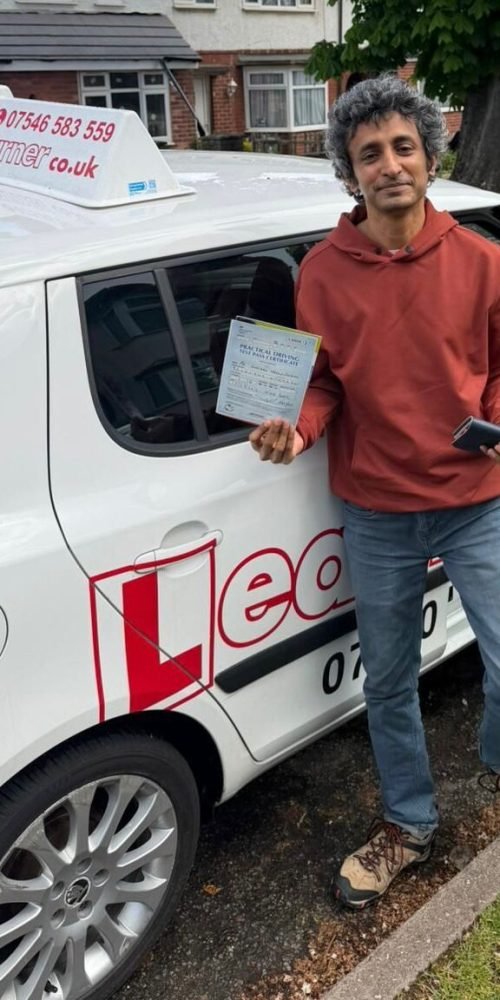
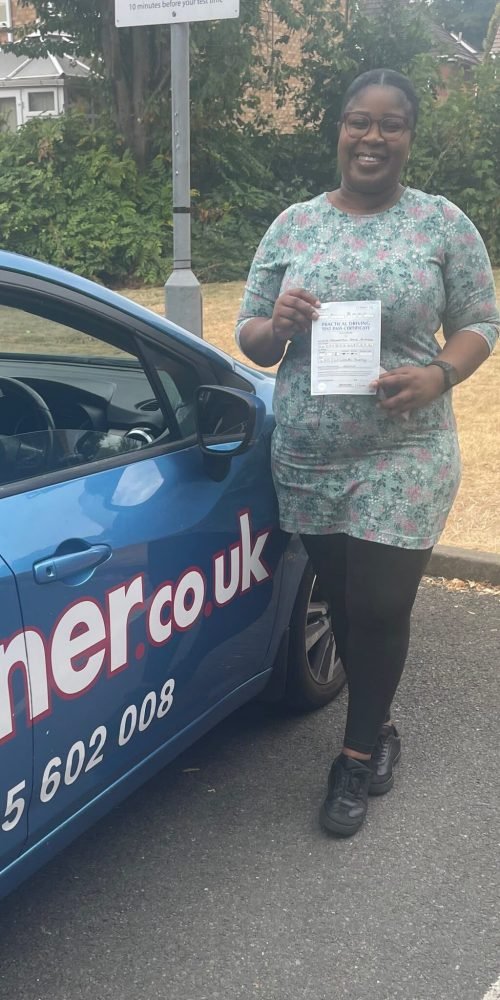
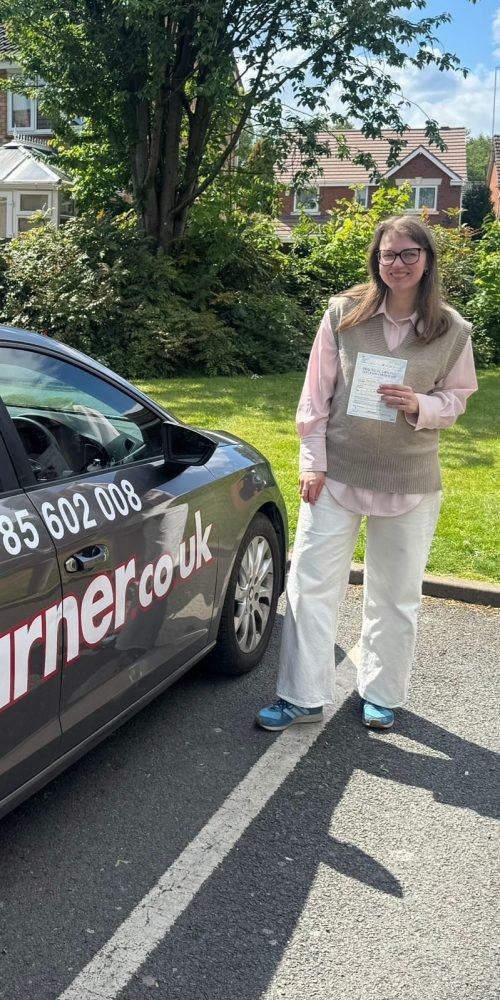
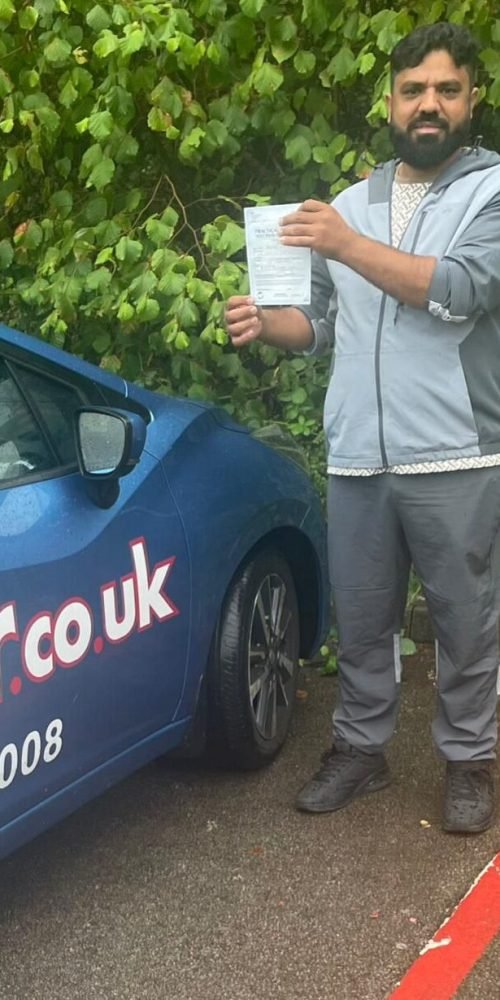
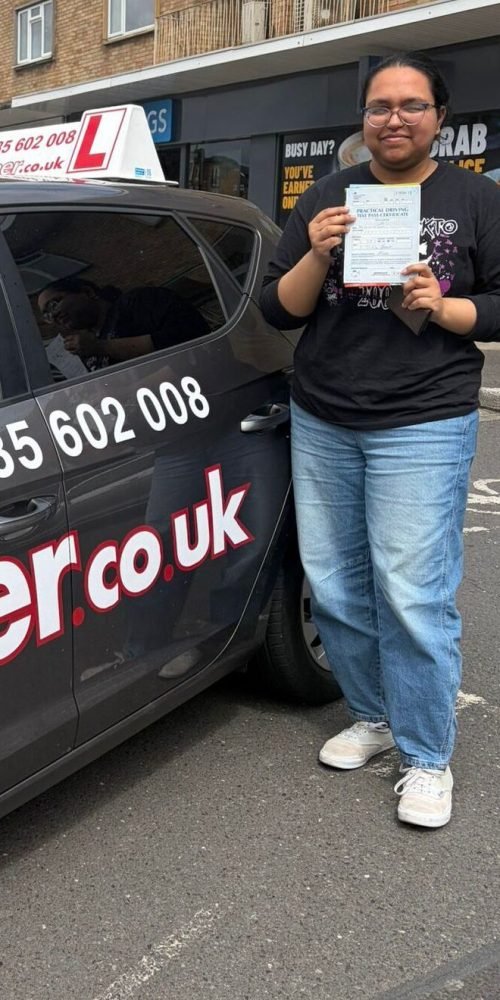
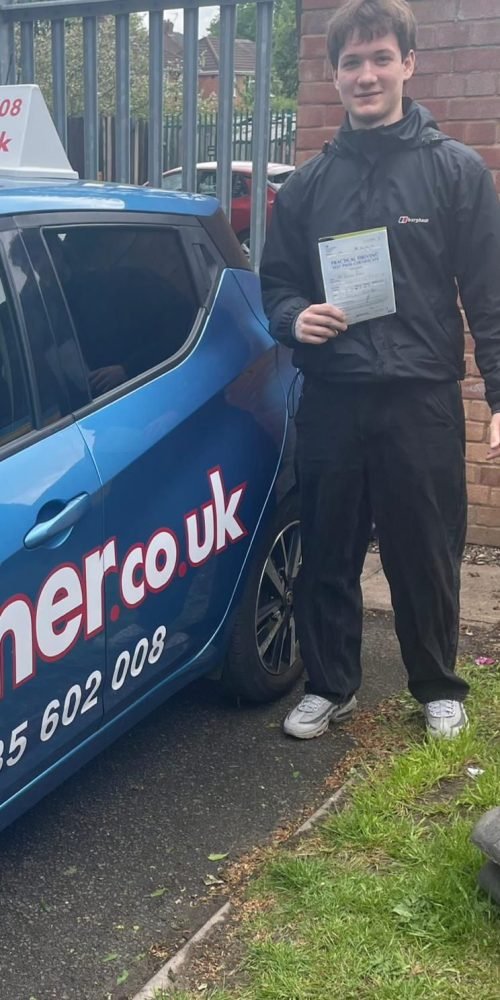
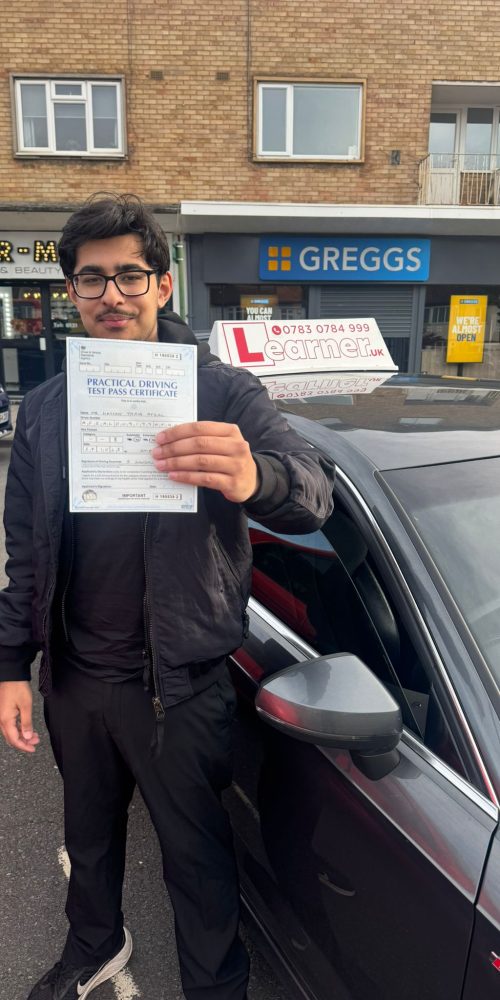
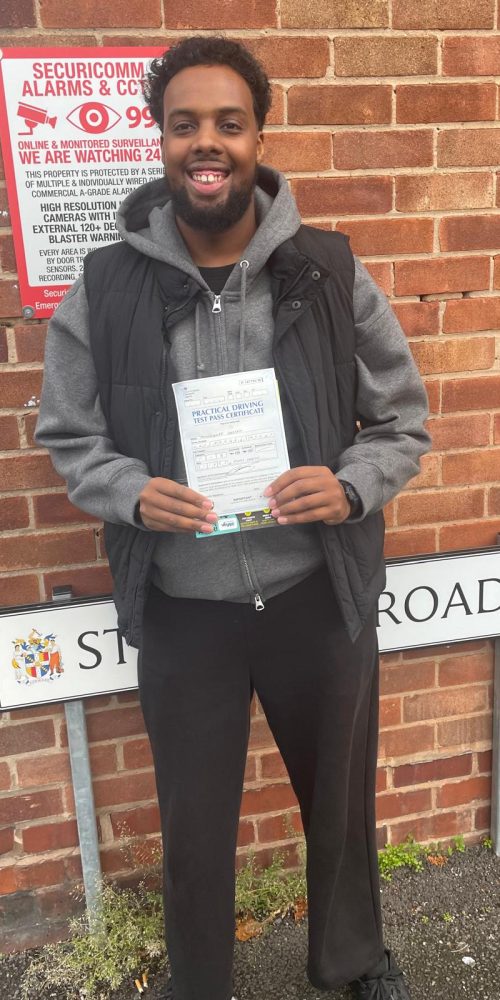
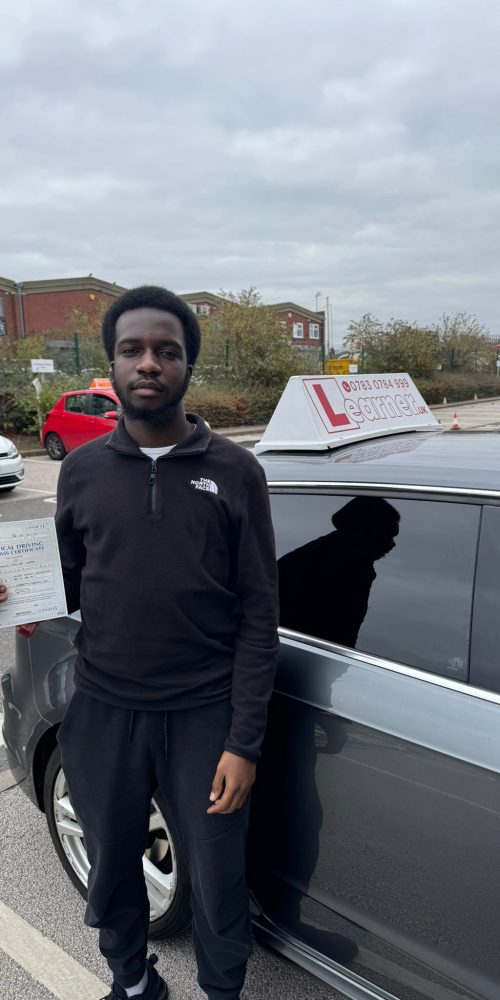
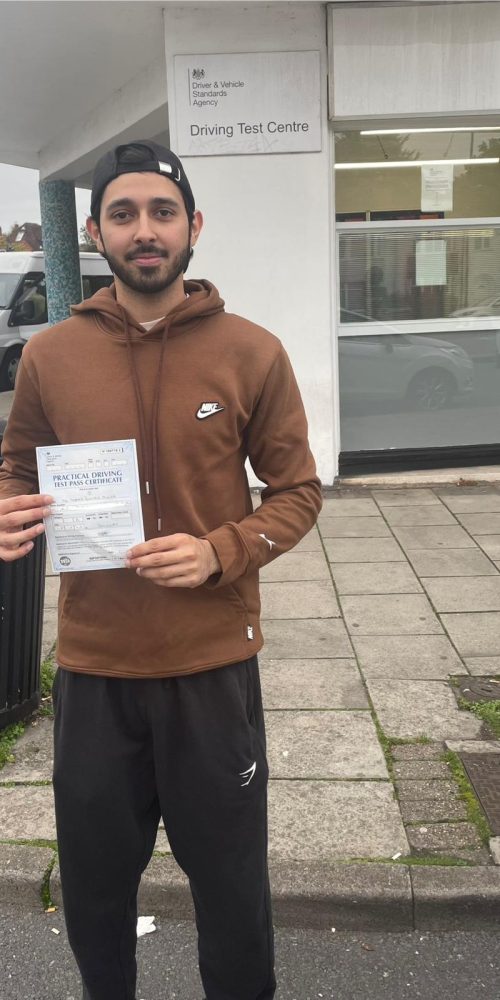
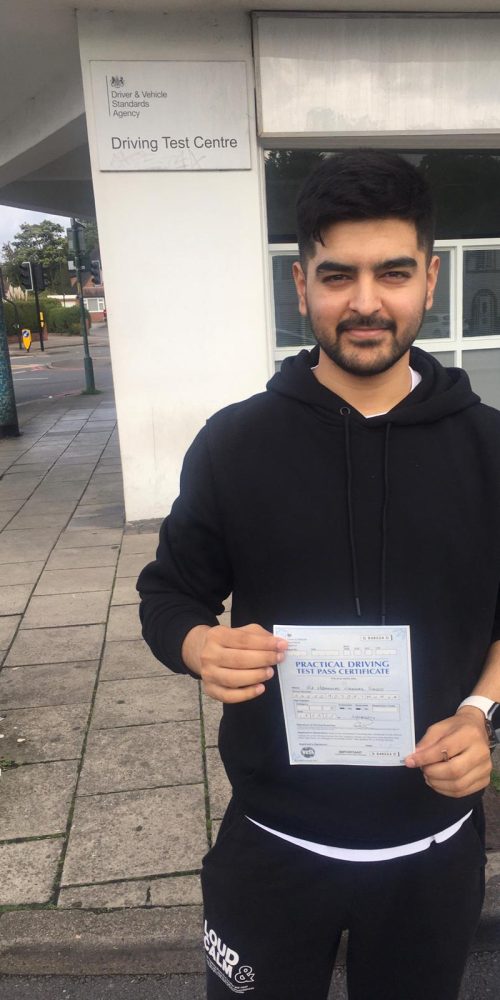
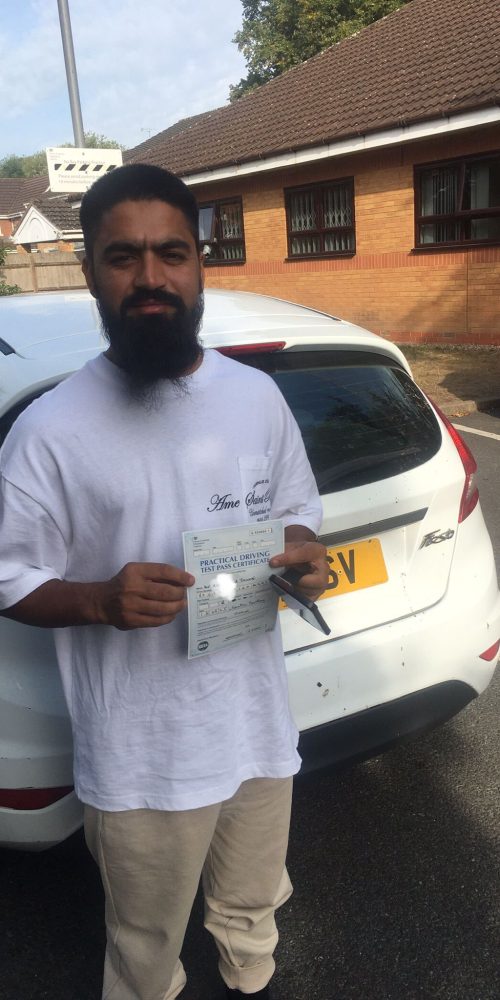
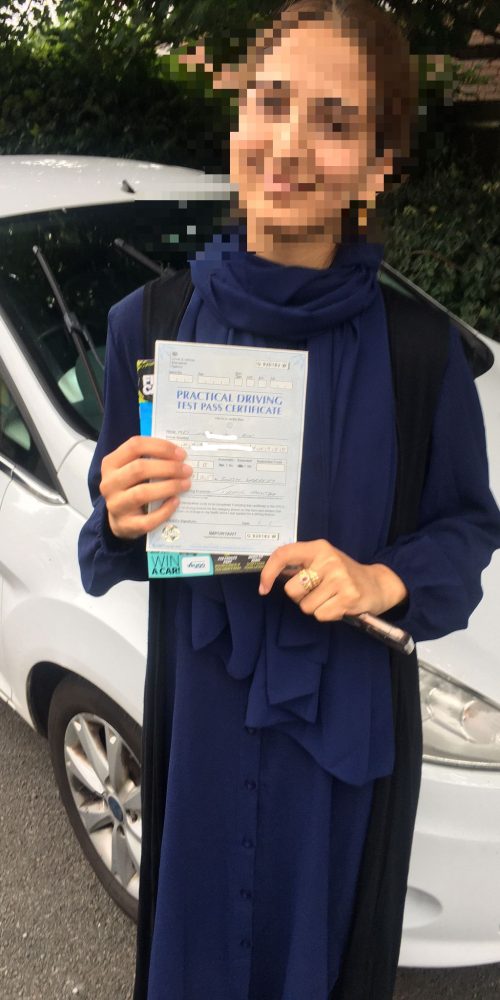
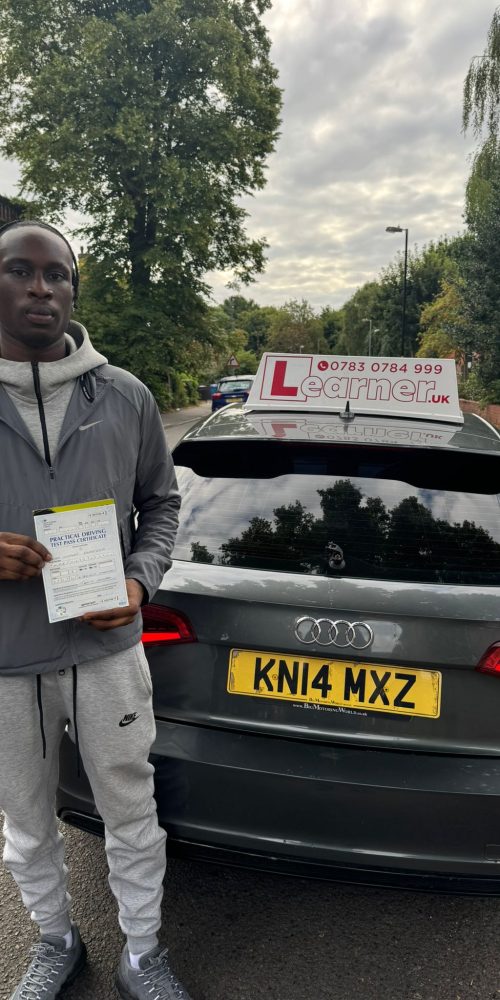
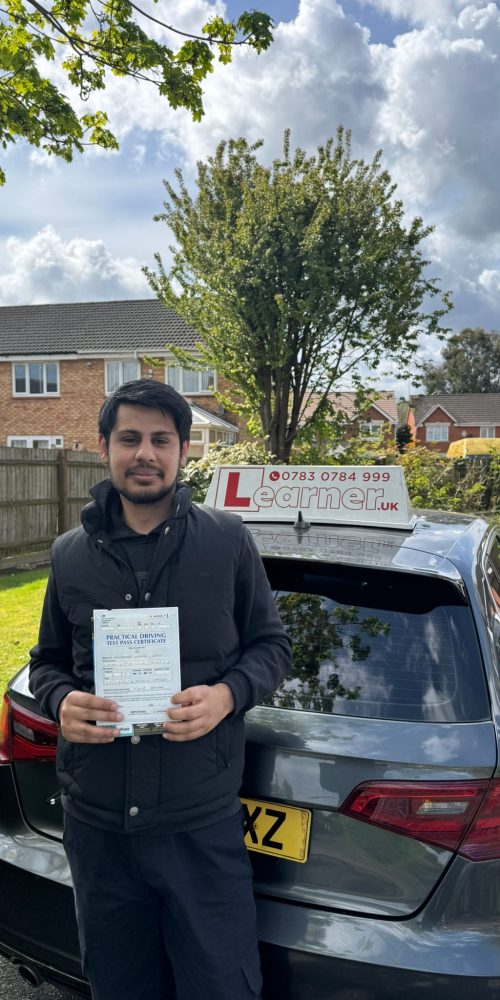
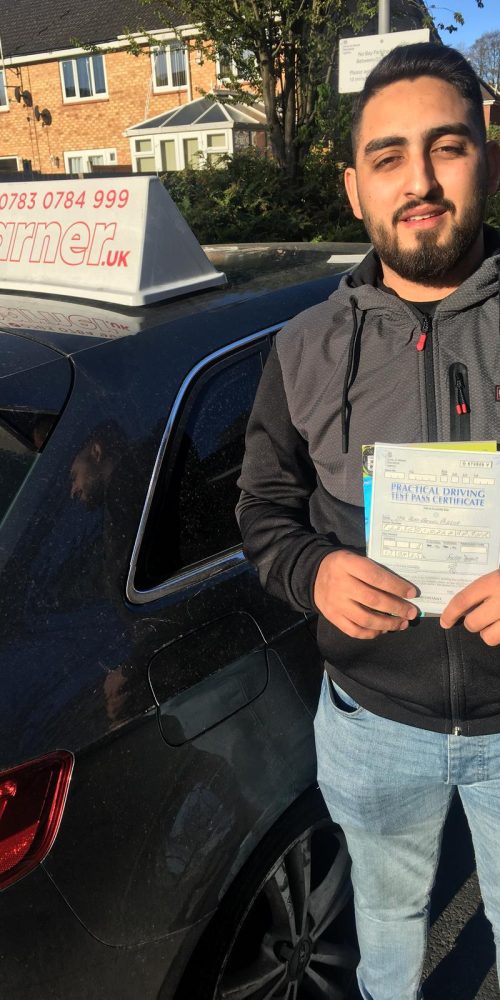
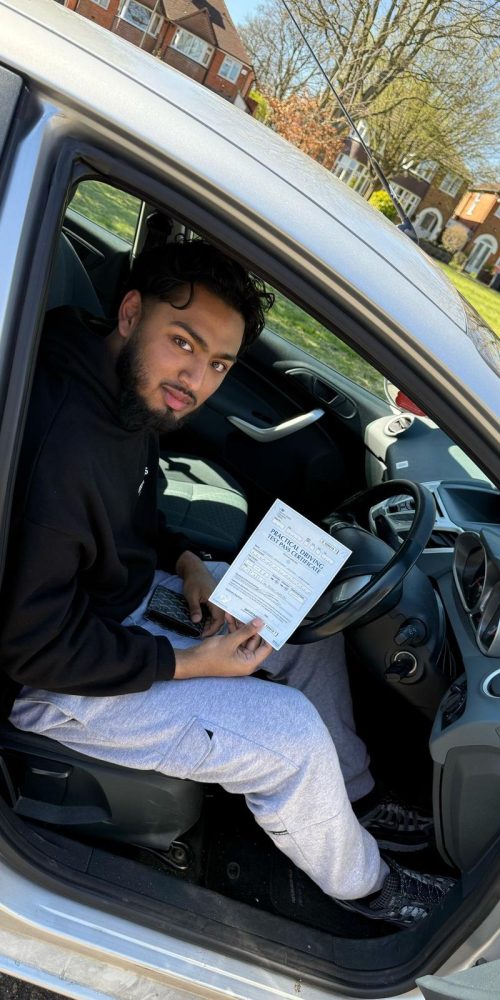
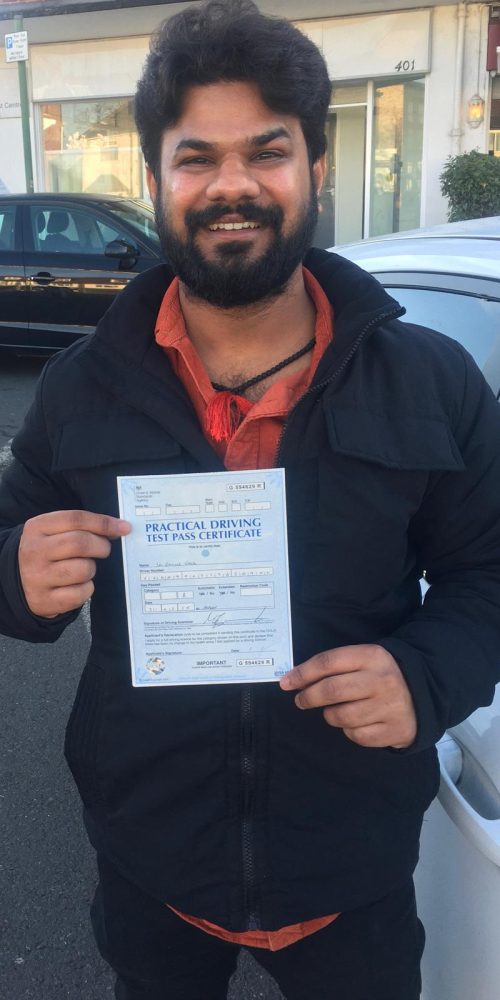
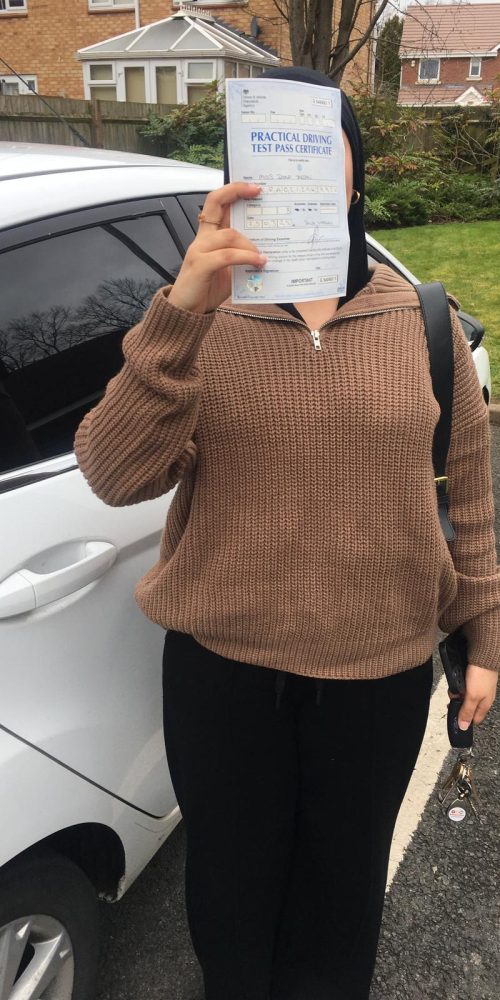
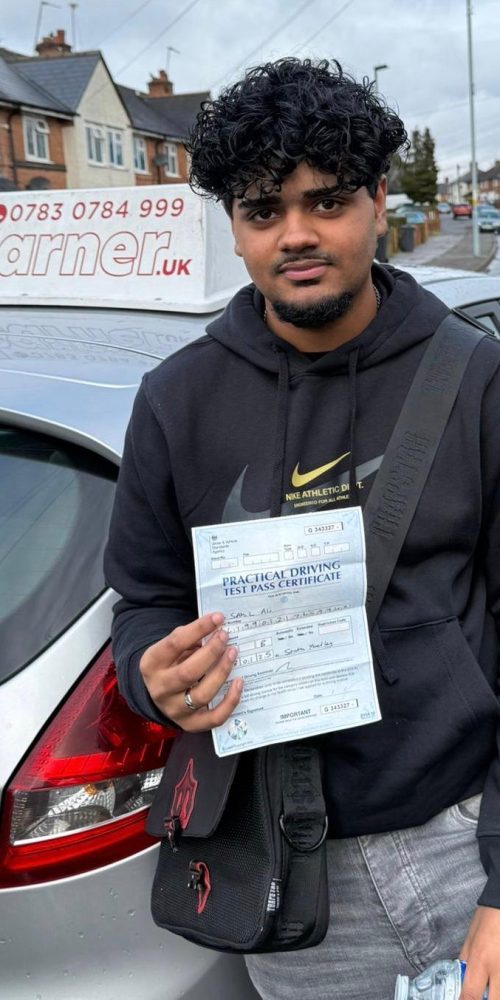
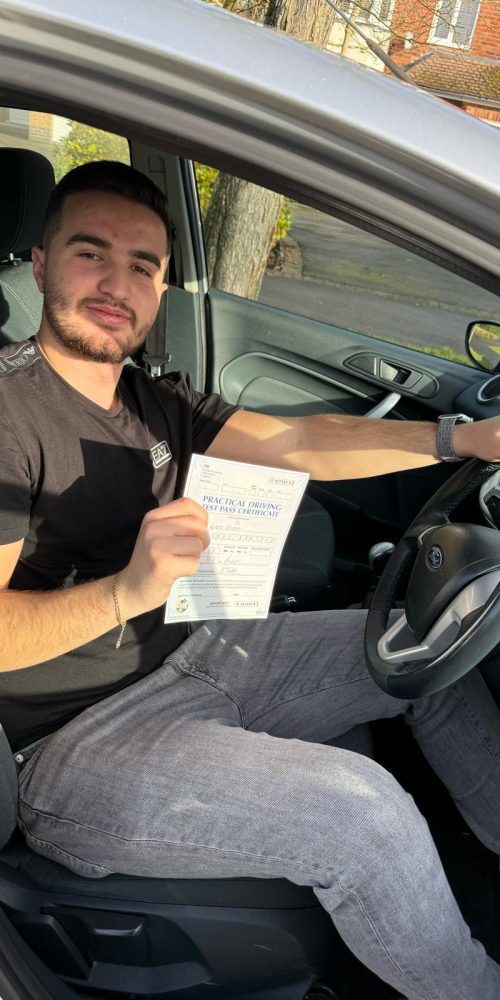
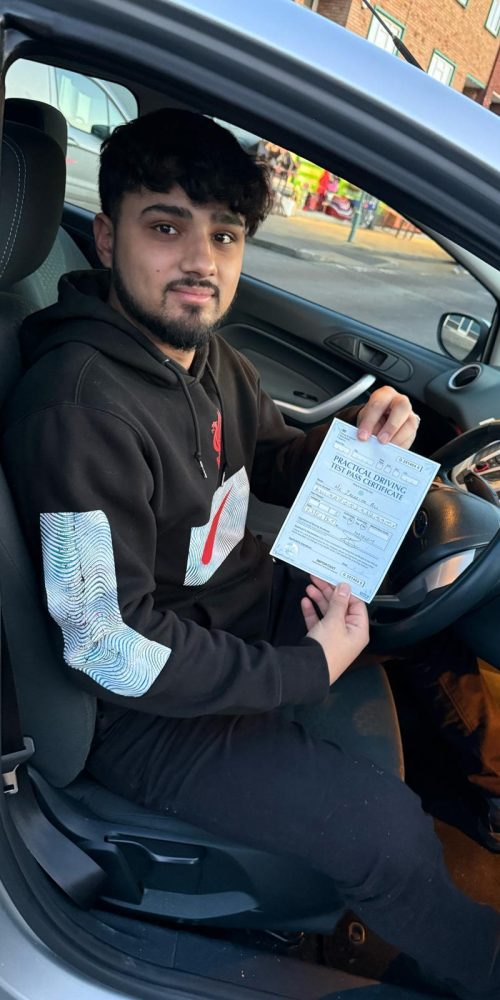
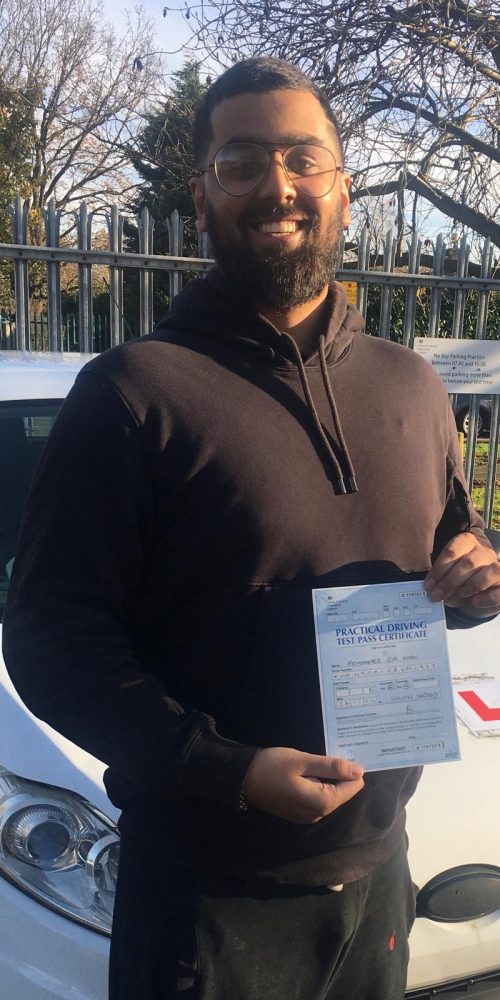
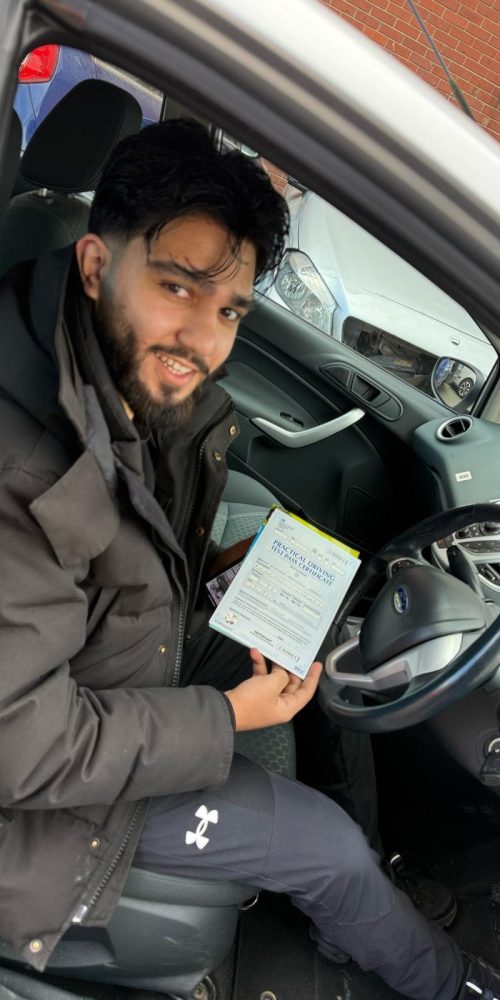
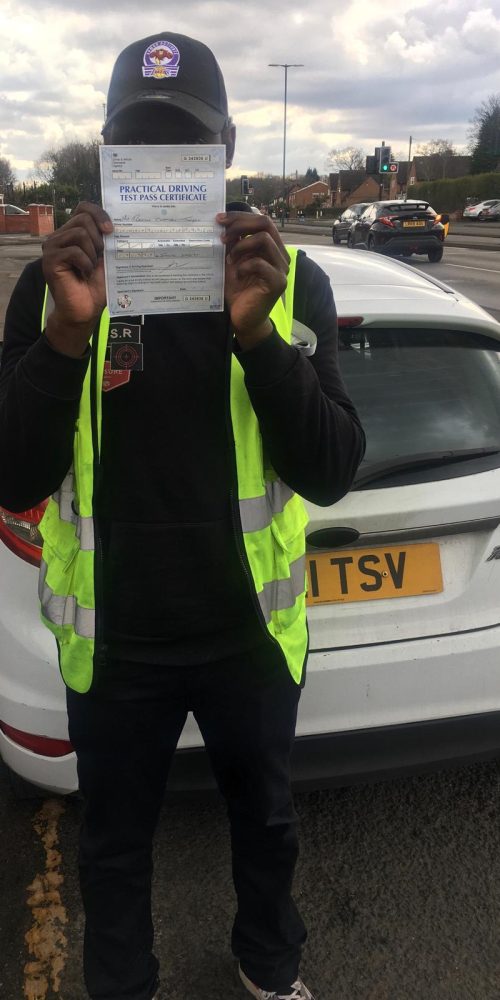
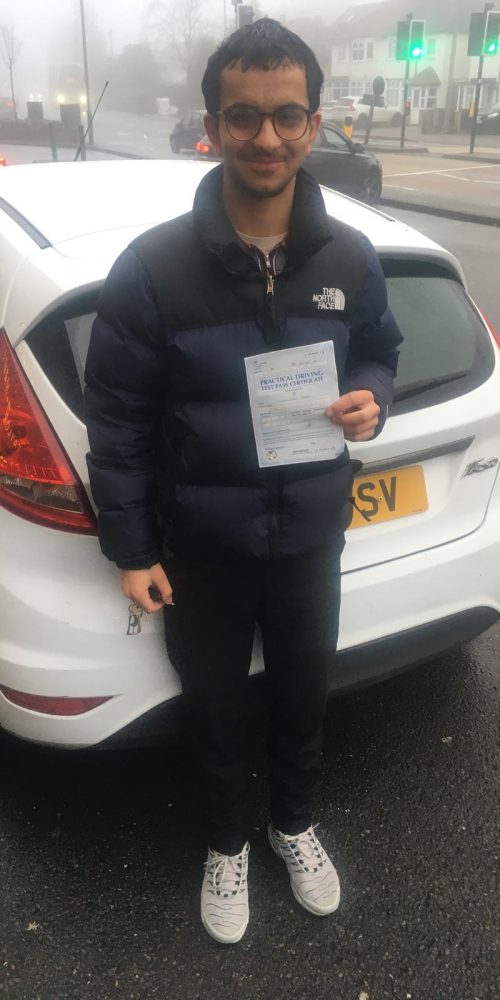
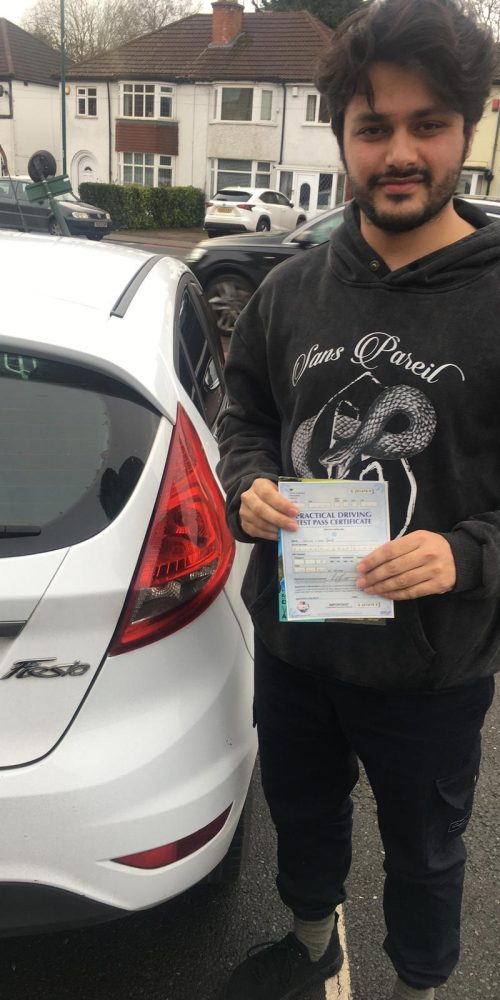
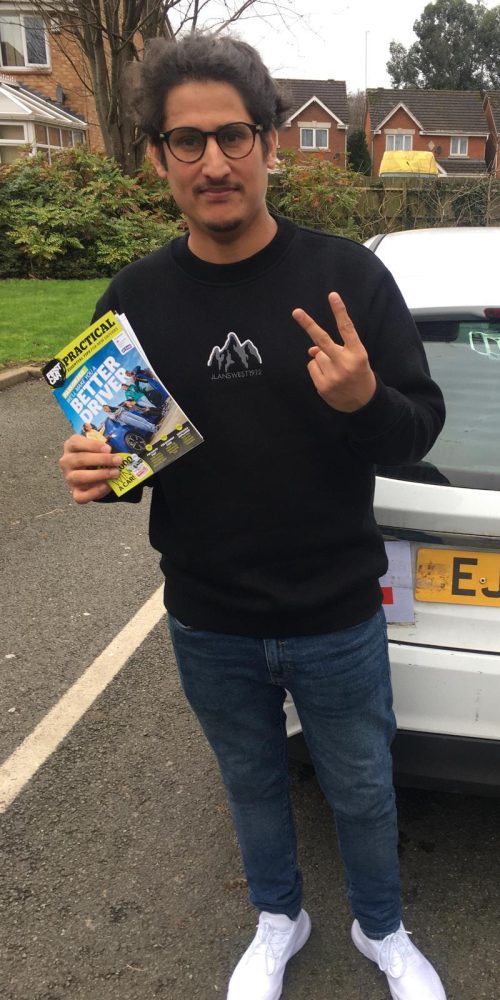
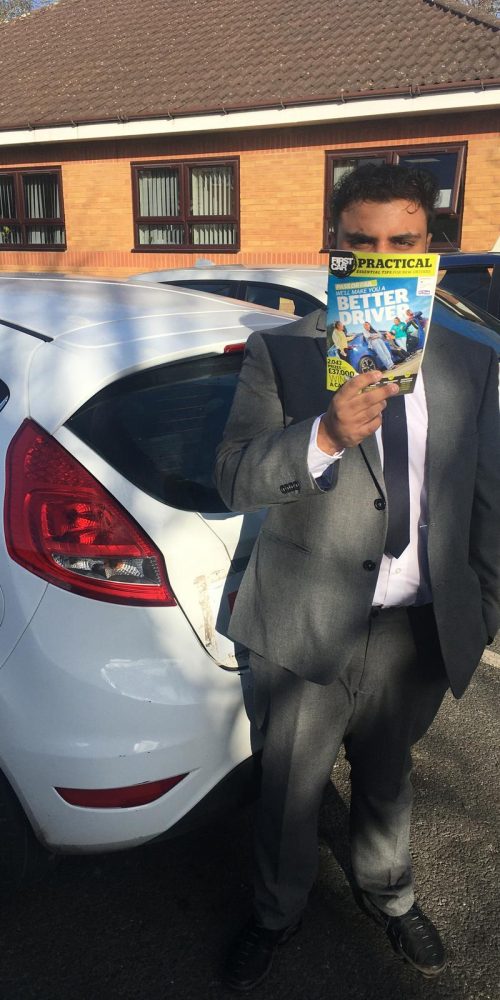
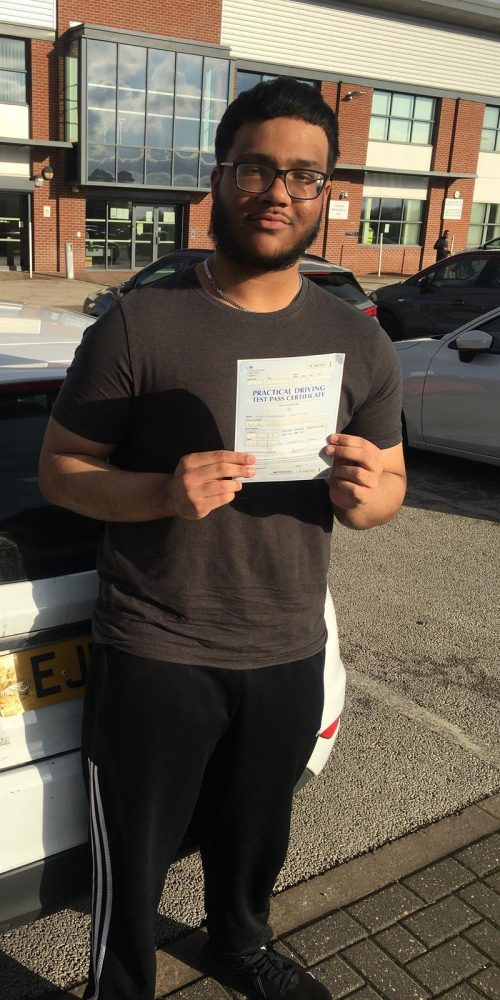
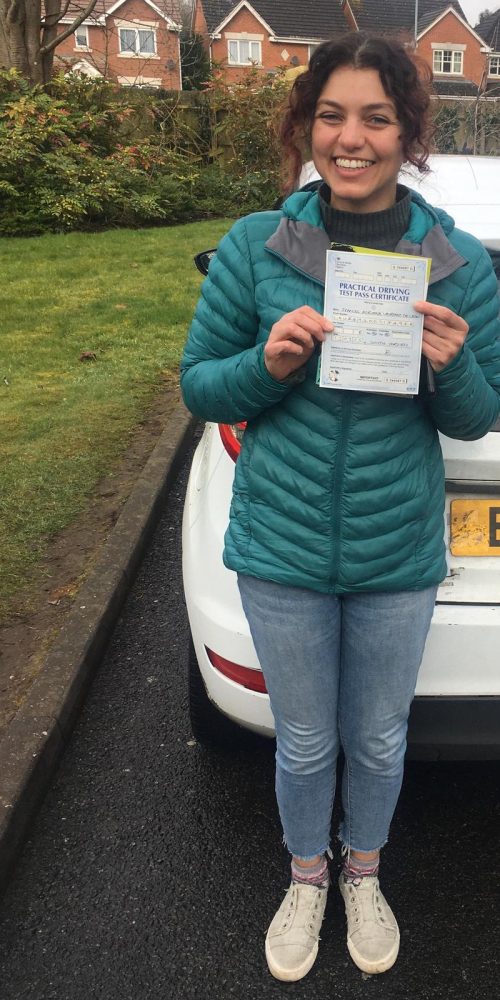
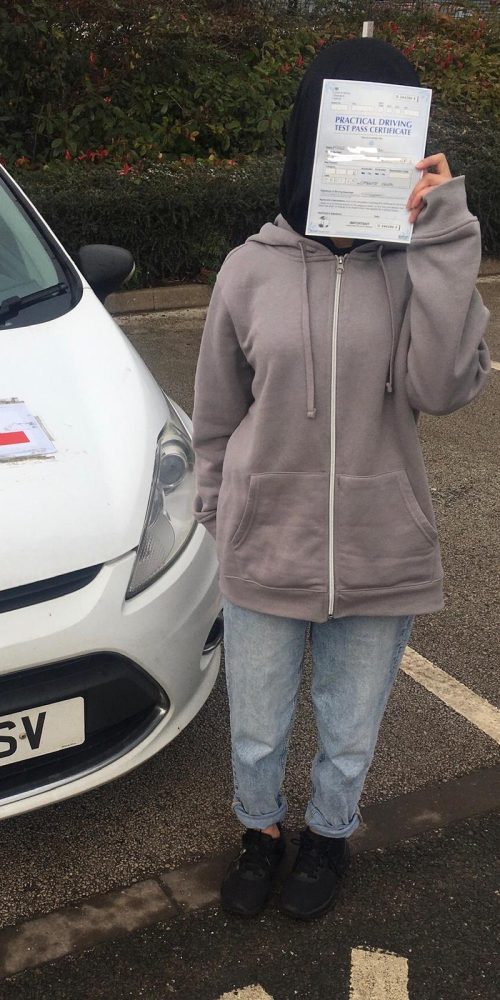
Looking for driving lessons in Birmingham with a reliable, professional school? Whether you prefer manual driving lessons or automatic driving lessons, Learner Driving School is here to help you gain confidence behind the wheel and pass your driving test – often on the first attempt.
We offer cheap driving lessons in Birmingham without compromising on quality. Our packages are transparent and competitive, ensuring great value for money.
02
High Driving Test Pass Rate
Hundreds of learners pass their test each year with our expert guidance. Our experienced driving instructors ensure you’re fully prepared for the road.
03
Friendly and Enjoyable Learning
We make learning fun and stress-free. Our students regularly highlight the positive and supportive environment provided by our instructors.
At Learner Driving School, we are passionate about helping people learn how to drive safely and confidently. Our goal is to provide affordable driving lessons with qualified instructors who tailor their approach to your individual needs. We maintain a strong driving test pass rate, offering flexible schedules and personalised instruction.
Whether you’re a complete beginner or looking to refresh your skills, we’ll help you achieve your goals with ease.
Need to pass quickly? Our intensive driving courses in Birmingham are perfect for learners on tight schedules or those looking for fast-track driving test success.
Looking for a crash course driving school in Birmingham? Our intensive courses are designed for learners who want to pass their driving test in a week or less. We’ll assess your driving ability and recommend the right fast-track plan for you. Our high pass rate and structured syllabus ensure that you’re test-ready in no time.
We also assist with driving test booking in advance for a seamless experience.
We are Registered and Recognised by
Why Choose Us
Top-Quality Instruction
Receive expert driving lessons from experienced instructors who focus on safety, confidence, and skill development. Learn at your own pace with professional guidance.
Master driving with expert guidance and become a confident, skilled driver.
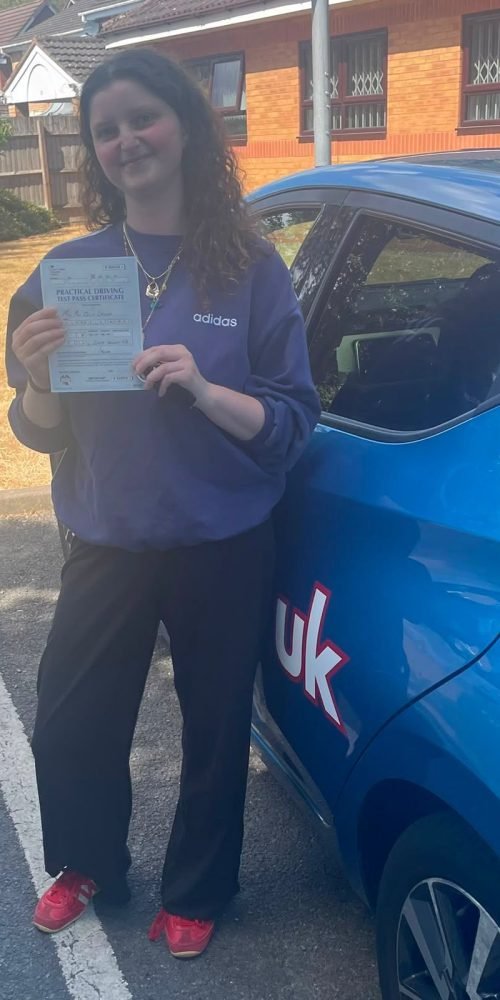
Join Hundreds of Happy Students
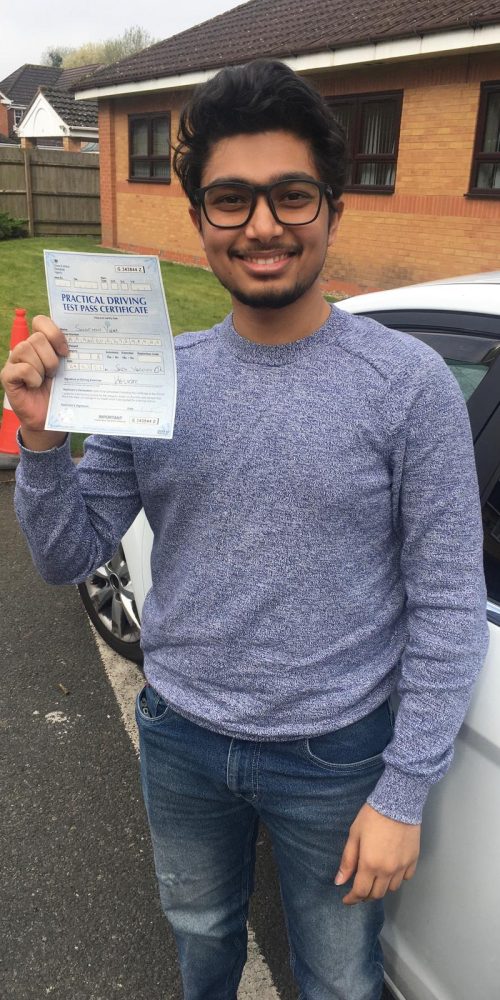
At Learner Driving School, we’re proud of our 98% pass rate and the glowing reviews from our trainees. Ready to start your journey?
5 ★ Reviews
0+
Pass rate
0%
Languages
0
Posted on Google
Alina khan
Trustindex verifies that the original source of the review is Google.
Had the best experience!! They are so patient and very good at teaching things efficiently. I'm very glad i passed with this driving school.
Posted on Google
YEABSIRA BEYENE
Trustindex verifies that the original source of the review is Google.
ahmed Very good instructor friendly on time reasonably price pass first time.
Posted on Google
Ryan Hughes
Trustindex verifies that the original source of the review is Google.
Brilliant driving instructor, best I have had. I passed in South Yardley first time of trying, as I’m new to the Birmingham area, as a result of my lessons with Jamshad. Very knowledgable of the area, routes and nuances of the roads and junctions for this test area. Very encouraging, easy to have a conversation with and all round great guy. Highly recommend to anyone looking to pass their test in the south Yardley area.
Posted on Google
Ebenezer Apetorgbor
Trustindex verifies that the original source of the review is Google.
Had driving lessons with this school it was good the instructor was really informative and ive passed my driving test today really happy
Posted on Google
Mohammed Bokhari
Trustindex verifies that the original source of the review is Google.
I have nothing but good words for JJ, after ages of instructors who don't turn me away and deal with me poorly, JJ was the best thing ever. He's concise, he's clinical, he can take a joke and have banter, and gets the job done. I cant stress about how good he is, not just as an instructor but just as a bloke. Not many of us want to be there doing driving lessons, it can get tiring and tedious but he makes it fun and he's really good at it. Would recommend JJ for anyone.
Posted on Google
Haleemah Sadiyah
Trustindex verifies that the original source of the review is Google.
Amazing. Very supportive.
Posted on Google
Isa
Trustindex verifies that the original source of the review is Google.
Zeeshan is a Very good instructor, very clear instructions and didn’t waste my lesson time like other instructors would definitely recommend if you want to pass with ease. He Helped me pass garrets green and gave me tips to to easily pass in that area
Posted on Google
Mohammad Sufyan
Trustindex verifies that the original source of the review is Google.
Pass first time with one driving fault in garrets green good instructor zee
Posted on Google
Mohana Priya
Trustindex verifies that the original source of the review is Google.
For experienced drivers, Jamshed is excellent at identifying areas that need improvement and providing practical tips and techniques to correct them. The guidance is focused not just on passing the test, but on developing safe, confident driving habits for the long term. The constructive feedback and encouragement also give you a real confidence boost just before taking the test. Highly recommended!
Posted on Google
Saleh Khalid
Trustindex verifies that the original source of the review is Google.
Passed first time with Ahmed at south Yardley, great experience would definitely recommend.
How old do you need to be to start driving lessons in the UK?
You must be at least 17 years old to drive a car on public roads, or 16 if you receive the higher rate mobility component of PIP. A valid provisional driving licence is required before your first on-road lesson.
When can I apply for a provisional driving licence?
You can apply for a provisional driving licence at 15 years and 9 months old in the UK. Once you turn 17, you can begin driving lessons with a qualified driving instructor.
How do I apply for a provisional driving licence?
You can apply for a provisional driving licence online through the DVLA website or by completing a D1 application form available at most UK Post Offices. You will need proof of identity, your National Insurance number and the application fee.
Can I start driving lessons before passing the theory test?
Yes. You can start driving lessons before passing the theory test.
However, you must pass the theory test before you can book your practical driving test.
What is included in the UK driving theory test?
The theory test has two parts:
Multiple choice questions
Hazard perception test
You must pass both sections during the same test.
How many questions are in the theory test?
The multiple-choice section contains 50 questions.
To pass, you must answer at least 43 questions correctly.
What is the hazard perception test?
The hazard perception test shows 14 video clips of real driving situations.
You must identify developing hazards by clicking the screen as soon as you spot them.
What is the pass mark for the hazard perception test?
The maximum score is 75 points.
You must score at least 44 out of 75 to pass.
How long is the theory test valid for?
Your theory test certificate is valid for 2 years.
If you do not pass your practical test within that time, you will need to take the theory test again.
How many driving lessons does a beginner usually need?
The DVSA estimates that most learners require around 45 hours of professional lessons plus 20 hours of private practice before they are ready to pass their driving test.
How long is a typical driving lesson?
Driving lessons are usually 1 or 2 hours long.
Many learners prefer 2-hour lessons because they allow more time to practise different road situations.
What happens during the first driving lesson?
Your instructor will explain vehicle controls, mirror checks, moving off safely, stopping and clutch control, and basic road awareness. The first lesson focuses on building confidence and understanding the car.
What manoeuvres are included in the driving test?
The driving test may include parallel parking, bay parking, pulling up on the right and reversing, and an emergency stop. Your instructor will ensure you practise all manoeuvres before your test.
How long is the practical driving test?
The practical driving test usually lasts around 40 minutes.
You will be assessed on your driving ability, awareness, road safety and decision-making.
Can I take my driving test in my instructor’s car?
Yes. Most learners take their test in their instructor’s car, because they are already familiar with the vehicle.
Can nervous drivers learn to drive?
Yes. Many learners feel nervous when starting driving lessons.
Professional instructors are experienced in helping nervous drivers build confidence step by step.
Do you offer intensive driving courses?
Yes. Intensive driving courses (crash courses) allow learners to complete their lessons over a shorter time period.
These courses are ideal for learners who want to pass their test quickly.
Do you offer motorway driving lessons?
Yes. Motorway lessons help drivers learn how to:
Join and leave motorways safely
Maintain safe distances
Overtake safely
Understand motorway signs and lanes
What is the Pass Plus course?
The Pass Plus course is designed for new drivers who want to improve their driving skills after passing the test.
It covers motorway driving, rural roads, night driving and different weather conditions.
What is the difference between manual and automatic driving lessons?
Manual cars require the driver to change gears using the clutch.
Automatic cars change gears automatically, making them easier for some learners.
Do you offer refresher driving lessons?
Yes. Refresher lessons are ideal for drivers who already have a licence but want to regain confidence after not driving for a long time.
What should I bring to my first driving lesson?
You must bring your provisional driving licence to your first lesson.
Your instructor must check this before the lesson begins.
Are your driving instructors fully qualified?
Yes. Our instructors are fully qualified and experienced driving instructors, providing professional driving lessons designed to help learners become safe and confident drivers.
All instructors are also DBS checked, ensuring they have no criminal record and meet the safety standards required for working with learner drivers.
How quickly can I pass my driving test?
This depends on how often you take lessons and how quickly you build confidence.
Some learners pass within a few months, while others may take longer.
Are evening or weekend driving lessons available?
Yes. We offer flexible driving lessons, including evenings and weekends.
What happens if I fail my driving test?
If you fail your driving test, the examiner will explain the areas that need improvement.
You can book another test after 10 working days.
Do you offer driving lessons near me?
We provide driving lessons across the local area, helping learners practise on roads similar to their local test routes.
What are the most common reasons people fail their driving test?
Common reasons include:
Not checking mirrors properly
Poor observation at junctions
Incorrect positioning on the road
Lack of control during manoeuvres
Your instructor will help you avoid these mistakes.
How do I book driving lessons?
You can contact us by phone or through our website to book lessons with one of our qualified driving instructors.
We will help you choose the right course based on your experience level.
Top 25 Most Common Driving Test Faults in the UK (Why Learners Fail)
Understanding the most common driving test mistakes can significantly increase your chances of passing the UK practical driving test. Many learners fail not because they cannot drive, but because of small observation errors or lack of awareness.
Below are the most common faults made during UK driving tests and how to avoid them.
Why do learners fail for not checking mirrors?
One of the most common driving test faults is failing to check mirrors before changing speed or direction.
Examiners expect drivers to check mirrors when:
Turning left or right
Changing lanes
Slowing down
Stopping the vehicle
Always perform the Mirror – Signal – Manoeuvre routine.
Why is observation at junctions important during the driving test?
Junctions are one of the most common places to pick up faults, as traffic can approach from several directions at once. Examiners expect drivers to look both ways before emerging, judge the speed and distance of approaching traffic, and avoid emerging too far or too slowly.
Why do learners fail when moving off safely?
Learners must always check for:
Vehicles
Cyclists
Pedestrians
before moving away from the kerb. Not performing all-round observation can result in a serious fault.
Why is correct positioning on the road important?
Incorrect positioning on the road can confuse other drivers and create dangerous situations.
Examples include:
Being too close to parked cars
Driving too close to the centre line
Incorrect lane positioning
Good road positioning shows confidence and awareness.
Why do learners fail when approaching roundabouts?
Roundabouts test a driver’s ability to:
Observe traffic correctly
Choose the correct lane
Signal at the right time
Enter safely
Many learners fail because they hesitate too much or enter unsafely.
Why is steering control important during the driving test?
Poor steering control can cause drivers to:
Drift out of their lane
Mount the kerb
Struggle with manoeuvres
Smooth steering shows the examiner that you are in full control of the vehicle.
Why do learners fail for incorrect signalling?
Incorrect signalling includes:
Signalling too late
Signalling when unnecessary
Forgetting to cancel signals
Signals should always help other road users understand your intentions.
Why do learners fail for poor control during manoeuvres?
Manoeuvres such as parallel parking or bay parking require good clutch control and observation.
Learners often fail because they:
Rush the manoeuvre
Do not observe properly
Lose control of the vehicle
Take your time and stay calm.
Why is speed control important during the driving test?
Driving too fast or too slow can result in faults.
Examiners expect drivers to:
Follow speed limits
Adjust speed to road conditions
Maintain smooth acceleration and braking
Why do learners fail for poor lane discipline?
Lane discipline is important on:
Roundabouts
Dual carriageways
Multi-lane roads
Using the wrong lane or drifting between lanes can result in faults.
Why is responding to road signs important?
Drivers must understand and react correctly to:
Speed limit signs
Give way signs
No entry signs
Road markings
Ignoring road signs can lead to serious faults.
Why do learners fail for poor observation when reversing?
Learners often fail because they focus only on mirrors instead of checking all around the vehicle.
Why do learners fail when turning right?
Turning right requires:
Good positioning
Accurate judgement of traffic
Proper signalling
Failing to judge oncoming traffic correctly can result in faults.
Why do learners fail for not stopping at pedestrian crossings?
Drivers must always stop for pedestrians waiting at:
Zebra crossings
Pelican crossings
Puffin crossings
Failing to stop safely is a serious mistake.
Why do learners fail for hesitation?
Hesitation occurs when drivers wait too long even when it is safe to move.
Examiners expect drivers to make safe and confident decisions.
Why is clutch control important during the driving test?
Poor clutch control can cause:
Stalling
Jerky movements
Loss of control
Smooth clutch control shows good vehicle handling.
Why do learners fail for poor planning and awareness?
Drivers must always be aware of:
Traffic ahead
Pedestrians
Cyclists
Changing road conditions
Planning ahead helps drivers avoid sudden braking or dangerous situations.
Why do learners fail when approaching traffic lights?
Learners often fail by approaching traffic lights at the wrong speed or misjudging an amber light. Examiners expect drivers to slow down in good time, stop safely on amber unless it’s unsafe to do so, avoid creeping forward or stalling, and confirm the lights have changed before moving off.
Why do learners fail for poor following distance?
Driving too close to the vehicle in front reduces reaction time.
Drivers should follow the two-second rule in normal conditions.
Why do learners fail when changing lanes?
Before changing lanes drivers must:
Check mirrors
Check blind spots
Signal correctly
Move smoothly
Failure to do these checks can result in faults.
Why do learners fail for not using mirrors when slowing down?
Drivers must check mirrors when:
Slowing down
Stopping
Turning
This shows awareness of vehicles behind you.
Why do learners fail for mounting the kerb?
Mounting the kerb during normal driving or manoeuvres shows poor vehicle control and may result in a fault.
Why do learners fail for incorrect use of gears?
Using the wrong gear can cause poor control or slow reactions.
Drivers should always select the correct gear for the road speed and situation.
Why do learners fail for not following sat-nav instructions correctly?
During the independent driving part of the test, you may follow a sat-nav or road signs.
Missing directions is not a fault, but unsafe driving while correcting the mistake is.
Why is observation the most important skill during the driving test?
Observation is the most important skill examiners look for.
Drivers must constantly check:
Mirrors
Blind spots
Junctions
Pedestrians and cyclists
Good observation shows that you are a safe and responsible driver.
⸻
How to Avoid These Driving Test Faults
The best way to avoid these mistakes is to take regular driving lessons with a qualified instructor and practise in different road conditions.
Building confidence, practising manoeuvres and learning how to anticipate hazards will greatly increase your chances of passing your driving test first time.