Advanced Driving Course: What to Expect From Your Training
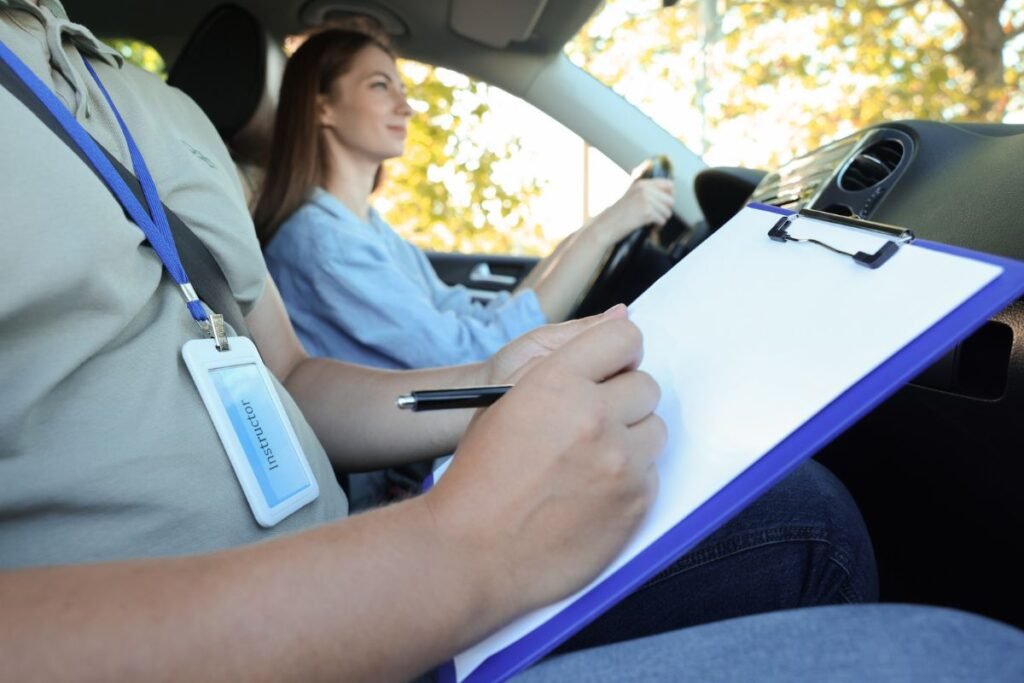
An advanced driving course is designed for drivers who want to develop their skills beyond the basic standard needed to pass a practical driving test. Rather than focusing only on test manoeuvres, advanced training can help drivers improve observation, anticipation, hazard awareness, positioning, speed management and decision-making in a wider range of real-world traffic situations. Advanced driving can be useful for drivers who have recently passed their test and want to become more confident on busy roads, experienced motorists looking to improve their driving standards, or learners who want additional development alongside their normal lessons. The training can be particularly valuable around Birmingham, where drivers may encounter busy city-centre routes, residential roads, dual carriageways, complex junctions and changing traffic conditions within a relatively short journey. What Is an Advanced Driving Course? An advanced driving course focuses on developing a driver’s ability to anticipate hazards, make safer decisions and respond appropriately to changing road conditions. The emphasis is generally on how you drive, rather than simply whether you can complete a particular test manoeuvre. Training can explore areas such as: The exact content of an advanced course can vary according to the driver’s experience and objectives. Who Can Benefit From Advanced Driving Training? Advanced driving training is not limited to one type of motorist. A recently qualified driver may want additional support before becoming fully comfortable driving independently. An experienced driver may want to improve particular habits or develop greater awareness in challenging traffic environments. It can be particularly useful for drivers who: For learners who have not yet passed their practical test, advanced development should complement rather than replace the fundamental skills required to reach test standard. What Do You Learn on an Advanced Driving Course? Advanced driving is about developing a more considered approach to driving. Observation and Anticipation A driver should not only react to hazards once they appear. Advanced training can help drivers identify clues earlier and anticipate what other road users may do next. This could involve recognising changes in traffic flow, pedestrians approaching a crossing, vehicles emerging from side roads or developing congestion ahead. Road Positioning Good positioning can improve visibility, communication with other road users and the amount of time available to respond to hazards. Training can help drivers understand how positioning changes according to the road, traffic, visibility and intended manoeuvre. Speed Management Advanced driving does not simply mean driving more slowly. It involves selecting a safe and appropriate speed for the circumstances and being prepared to adjust it as conditions change. A driver’s speed should take account of factors such as visibility, road layout, traffic, weather and potential hazards. Hazard Awareness Developing stronger hazard awareness allows drivers to identify risks earlier and plan accordingly. This can be especially valuable when driving through busy urban areas where pedestrians, cyclists, parked vehicles, buses and changing traffic patterns can create multiple hazards at once. Advanced Driving in Birmingham Driving conditions can vary considerably across Birmingham and the surrounding areas. A driver may move from busy city-centre roads around Edgbaston and Birmingham City Centre to residential streets in Sparkhill and Tyseley or Moseley and Billesley. Other areas such as Kings Heath and Yardley Wood, Small Heath, Balsall Heath and Sparkbrook, and Yardley and Hay Mills provide different road layouts and traffic environments. Further south, drivers may encounter roads around Solihull and Shirley, as well as Elmdon, Olton, Acocks Green and Hall Green. This variety makes local road experience valuable. Advanced training should help drivers apply observation, positioning and anticipation across different environments rather than relying on familiarity with one particular route. Learner Driving School provides driving tuition in Birmingham and surrounding areas, allowing learners and drivers to develop their skills in real traffic conditions relevant to their everyday driving. Advanced Driving Course vs Intensive Driving Course An advanced driving course and an intensive driving course have different purposes. An intensive driving course is generally structured around concentrated learning over a shorter period, often with the goal of preparing a learner for their practical driving test. Advanced training, on the other hand, focuses on developing driving ability beyond basic test preparation. This distinction is important when choosing the right type of tuition. Someone who has not yet reached test standard may need structured learner training first, while a qualified driver may benefit from further development focused on observation, anticipation and decision-making. Learner Driving School also provides Intensive Driving Courses Birmingham for learners who want a more concentrated approach to their preparation. How Much Does Advanced Driving Training Cost? The cost of driving tuition depends on the type and amount of training required, so there is no single price that applies to every advanced driving programme. Learner Driving School’s published Birmingham manual intensive course prices are £170 for 5 hours, £340 for 10 hours, £510 for 15 hours and £680 for 20 hours. Pass Plus is also available at £240 and covers six areas: driving in towns, rural roads, motorways, night driving, all-weather driving and dual carriageways. These prices relate to the listed intensive and Pass Plus options rather than representing a fixed price for every type of advanced driving training. If you are comparing tuition options, it is worth considering the number of hours you need, your current driving ability and the specific skills you want to develop rather than choosing a package based on price alone. How Advanced Training Can Help After Passing Your Test Passing the practical test establishes that a driver has reached the required standard for driving independently, but it does not mean there is nothing left to learn. Newly qualified drivers may still be gaining experience with: Additional training can provide an opportunity to work on these areas with an instructor rather than relying entirely on experience gained alone. For drivers who have recently passed a DVSA driving test, further training can be a practical way to continue developing their skills and address areas where they feel less confident. Can Advanced Driving Help With Confidence? Additional training can be useful for