How Many Driving Lessons Do You Need?

Most learners need around 45 hours of lessons with an instructor and about 22 hours of private practice, according to the DVSA. That is an average, not a rule. There is no minimum, so the answer to “how many driving lessons do you need?” depends on your starting point, how often you drive and how much you practise between lessons. Key takeaways What is the average number of driving lessons? The DVSA reports that learners need about 45 hours of lessons with a driving instructor, plus 22 hours of practice with a friend or relative. If you are asking how many hours it takes to learn to drive, this is the standard answer. It is an average across all learners. Some need fewer hours and many need more. Hours are not the same as lessons. The number of lessons depends on how long each one lasts: Lesson length Lessons for 45 hours 1 hour 45 1.5 hours 30 2 hours 22.5 (so 23) The DVSA states that there is no minimum number of lessons you must have before taking your test. Passing is about reaching the standard, not logging time. How many driving lessons do I need to pass? You need as many as it takes to drive safely and consistently without prompts. Two learners with the same instructor can need very different numbers of hours. Factor Why it matters Private practice Extra time at the wheel helps skills settle, so you repeat less in paid lessons. Lesson frequency Long gaps mean part of each lesson is spent recalling the last one. Confidence Nervous learners often need more time at junctions and roundabouts. Gearbox Manual learners also learn clutch control. Automatic learners do not, but road skills still take time. Test readiness Driving well in lessons is not always the same as driving well under test conditions. An exact figure is not possible before you start. A good instructor tracks your progress and gives you a realistic estimate as you go. How do you know you are ready for the test? You are ready when you drive consistently without help from your instructor. The DVSA’s Ready to Pass guidance breaks driving into 27 skills, each with five levels of progress. It says you are ready for the test when you consistently reach the top level for every skill. On the test itself, you pass with no more than 15 driving faults and no serious or dangerous faults. Signs that you are close: Do not book the test just because you have reached 45 hours. Book it when your instructor agrees you are consistent. Our guide on how to pass your driving test first time in Birmingham covers preparation in more detail. How does private practice change the number? Private practice usually lowers the number of paid lessons you need. It gives you extra time behind the wheel, so skills become familiar sooner. The DVSA reports that learners who combine lessons with private practice are 50% more likely to pass the test. To practise privately, you need: Ask your instructor what to practise. A plan works better than unplanned drives. If you found roundabouts difficult in a lesson, practise them in your next private session. What is the cost of driving lessons in Birmingham? Manual and automatic lessons cost the same with us. Our intensive packages work out at £34 an hour: Hours Price 5 hours £170 10 hours £340 15 hours £510 20 hours £680 Your total depends on how many hours you need, so no single figure fits every learner. Our pricing page sets out the current options. Your theory test and practical test are paid for separately. Check gov.uk for the latest fees. Should you choose weekly lessons or an intensive course? Weekly lessons spread the cost and leave time to practise between sessions. Intensive driving lessons in Birmingham concentrate many hours into a short period, which can make it easier to build on what you learned the day before. Weekly lessons suit learners balancing school, college or work. Intensive courses suit learners who can set aside a block of time. You can read more about intensive driving courses in Birmingham before you decide. Either way, you still need to be test-ready before you book. A short course does not replace consistency. How should you plan your lessons in Birmingham? Plan around where you will take your test and when you can practise. The driving test centres in Birmingham include Shirley, Kings Heath, Kingstanding, Garretts Green and South Yardley. Official test routes are not published, so no one can tell you the exact roads you will drive. Instead, ask your instructor to practise the junctions, roundabouts and busier roads around your likely centre. Our complete guide to Birmingham driving test routes is a useful companion read. We teach in Acocks Green, Alum Rock, Aston, Balsall Heath, Bordesley, Digbeth, Edgbaston, Hall Green, Jewellery Quarter, Kings Heath, Ladywood, Olton, Shirley, Small Heath, Solihull, Sparkhill and Birmingham city centre. Lessons run from 8 AM to 10 PM, seven days a week. A simple plan to follow: FAQ Start your lessons Call us on 07785 602008 or send the booking form. See our driving lessons in Birmingham page for areas and details, or read about learning to drive in Kings Heath if you plan to test there.
Advanced Driving Course: What to Expect From Your Training
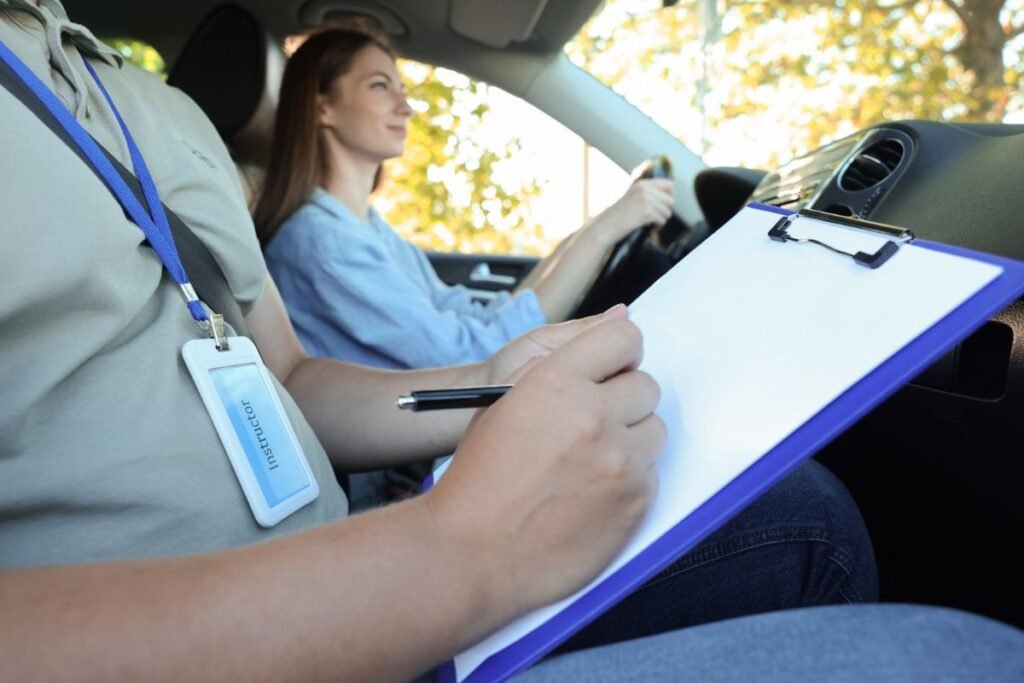
An advanced driving course is designed for drivers who want to develop their skills beyond the basic standard needed to pass a practical driving test. Rather than focusing only on test manoeuvres, advanced training can help drivers improve observation, anticipation, hazard awareness, positioning, speed management and decision-making in a wider range of real-world traffic situations. Advanced driving can be useful for drivers who have recently passed their test and want to become more confident on busy roads, experienced motorists looking to improve their driving standards, or learners who want additional development alongside their normal lessons. The training can be particularly valuable around Birmingham, where drivers may encounter busy city-centre routes, residential roads, dual carriageways, complex junctions and changing traffic conditions within a relatively short journey. What Is an Advanced Driving Course? An advanced driving course focuses on developing a driver’s ability to anticipate hazards, make safer decisions and respond appropriately to changing road conditions. The emphasis is generally on how you drive, rather than simply whether you can complete a particular test manoeuvre. Training can explore areas such as: The exact content of an advanced course can vary according to the driver’s experience and objectives. Who Can Benefit From Advanced Driving Training? Advanced driving training is not limited to one type of motorist. A recently qualified driver may want additional support before becoming fully comfortable driving independently. An experienced driver may want to improve particular habits or develop greater awareness in challenging traffic environments. It can be particularly useful for drivers who: For learners who have not yet passed their practical test, advanced development should complement rather than replace the fundamental skills required to reach test standard. What Do You Learn on an Advanced Driving Course? Advanced driving is about developing a more considered approach to driving. Observation and Anticipation A driver should not only react to hazards once they appear. Advanced training can help drivers identify clues earlier and anticipate what other road users may do next. This could involve recognising changes in traffic flow, pedestrians approaching a crossing, vehicles emerging from side roads or developing congestion ahead. Road Positioning Good positioning can improve visibility, communication with other road users and the amount of time available to respond to hazards. Training can help drivers understand how positioning changes according to the road, traffic, visibility and intended manoeuvre. Speed Management Advanced driving does not simply mean driving more slowly. It involves selecting a safe and appropriate speed for the circumstances and being prepared to adjust it as conditions change. A driver’s speed should take account of factors such as visibility, road layout, traffic, weather and potential hazards. Hazard Awareness Developing stronger hazard awareness allows drivers to identify risks earlier and plan accordingly. This can be especially valuable when driving through busy urban areas where pedestrians, cyclists, parked vehicles, buses and changing traffic patterns can create multiple hazards at once. Advanced Driving in Birmingham Driving conditions can vary considerably across Birmingham and the surrounding areas. A driver may move from busy city-centre roads around Edgbaston and Birmingham City Centre to residential streets in Sparkhill and Tyseley or Moseley and Billesley. Other areas such as Kings Heath and Yardley Wood, Small Heath, Balsall Heath and Sparkbrook, and Yardley and Hay Mills provide different road layouts and traffic environments. Further south, drivers may encounter roads around Solihull and Shirley, as well as Elmdon, Olton, Acocks Green and Hall Green. This variety makes local road experience valuable. Advanced training should help drivers apply observation, positioning and anticipation across different environments rather than relying on familiarity with one particular route. Learner Driving School provides driving tuition in Birmingham and surrounding areas, allowing learners and drivers to develop their skills in real traffic conditions relevant to their everyday driving. Advanced Driving Course vs Intensive Driving Course An advanced driving course and an intensive driving course have different purposes. An intensive driving course is generally structured around concentrated learning over a shorter period, often with the goal of preparing a learner for their practical driving test. Advanced training, on the other hand, focuses on developing driving ability beyond basic test preparation. This distinction is important when choosing the right type of tuition. Someone who has not yet reached test standard may need structured learner training first, while a qualified driver may benefit from further development focused on observation, anticipation and decision-making. Learner Driving School also provides Intensive Driving Courses Birmingham for learners who want a more concentrated approach to their preparation. How Much Does Advanced Driving Training Cost? The cost of driving tuition depends on the type and amount of training required, so there is no single price that applies to every advanced driving programme. Learner Driving School’s published Birmingham manual intensive course prices are £170 for 5 hours, £340 for 10 hours, £510 for 15 hours and £680 for 20 hours. Pass Plus is also available at £240 and covers six areas: driving in towns, rural roads, motorways, night driving, all-weather driving and dual carriageways. These prices relate to the listed intensive and Pass Plus options rather than representing a fixed price for every type of advanced driving training. If you are comparing tuition options, it is worth considering the number of hours you need, your current driving ability and the specific skills you want to develop rather than choosing a package based on price alone. How Advanced Training Can Help After Passing Your Test Passing the practical test establishes that a driver has reached the required standard for driving independently, but it does not mean there is nothing left to learn. Newly qualified drivers may still be gaining experience with: Additional training can provide an opportunity to work on these areas with an instructor rather than relying entirely on experience gained alone. For drivers who have recently passed a DVSA driving test, further training can be a practical way to continue developing their skills and address areas where they feel less confident. Can Advanced Driving Help With Confidence? Additional training can be useful for
How Much Are Driving Lessons in Birmingham? A Complete Guide for Learners

How much are driving lessons? This is one of the first questions most learners ask before choosing a driving instructor or booking a course. The price can vary depending on your location, the type of lessons you choose, your instructor and how many hours of training you need. For learners considering driving lessons in Birmingham, understanding the costs in advance can make it easier to plan your training and choose the right option. Whether you need regular lessons, an intensive course or additional preparation before your driving test in Birmingham, knowing what you are paying for is an important part of learning to drive. How Much Are Driving Lessons? Driving lesson prices are not fixed across the UK. In Birmingham, the hourly rate can vary between instructors and driving schools, while intensive packages may offer a different overall cost. The total amount you spend also depends on how quickly you progress. A learner who needs fewer lessons may spend less overall, while someone who needs additional practice before their practical test may have higher training costs. It is therefore useful to consider the total training requirement, rather than comparing instructors based only on the price of one lesson. What Affects Driving Lesson Prices in Birmingham? Several factors can influence the price you pay for driving tuition. These include: When comparing driving lesson prices in Birmingham, learners should also consider the quality and structure of the training rather than choosing solely on the lowest hourly rate. Current Driving Course Prices at Learner Driving School Learner Driving School provides flexible training options for both manual and automatic learners. Current intensive course options are designed to give learners a clear structure and help them plan their training costs. Course Duration Price Intensive Driving Course 5 hours £170 Intensive Driving Course 10 hours £340 Intensive Driving Course 15 hours £510 Intensive Driving Course 20 hours £680 Pass Plus 6 modules £240 The Pass Plus course includes town driving, rural roads, motorways, night driving, all-weather driving and dual carriageways. These prices give learners an idea of the cost of structured training, although the number of hours required will depend on individual progress and experience. Are Intensive Driving Courses More Cost-Effective? For some learners, intensive training can be an efficient way to develop driving skills because lessons are concentrated over a shorter period. A driving lessons one week intensive course can provide regular practice without long gaps between sessions. This can be useful for learners with limited availability or those who want to work towards their test within a defined timeframe. However, intensive training is not automatically suitable for everyone. Beginners may need more time to develop basic vehicle control and road awareness, while learners with previous experience may be able to progress through more advanced areas sooner. The best approach depends on your individual ability and training needs. How Many Lessons Will You Need? There is no universal number of lessons that guarantees a learner will be ready for their test. Some learners progress quickly, while others need more time to develop confidence and consistency. Your instructor should assess your current ability and identify the areas that require further practice. This could include: The aim should always be to reach a safe and consistent driving standard rather than simply completing a certain number of hours. Driving Lessons Across Birmingham The location where you learn can also affect the type of experience you gain. Birmingham has a mixture of residential roads, busy urban routes, multi-lane roads, roundabouts and complex junctions. Learner Driving School provides training for people looking for driving lessons Birmingham learners can use to build practical experience across different road environments. Training can also be arranged for learners looking for driving lessons in Solihull, driving lessons in Acocks Green, driving lessons in Hall Green and driving lessons in Kings Heath. This local experience can help learners become comfortable with changing traffic conditions rather than relying on familiarity with just one small area. Preparing for Your Birmingham Driving Test The cost of lessons should also be considered alongside your test preparation. Learners preparing for a driving test Birmingham appointment need to demonstrate that they can drive safely and independently across a range of situations. Familiarity with local roads can help, but learners should not rely on memorising one route. Working through Birmingham driving test routes can help your instructor identify areas where additional practice may be useful. More importantly, you should learn how to respond safely when faced with roads, junctions or traffic situations you have not previously encountered. Driving Test Waiting Times Can Affect Your Costs Another factor learners should consider is the waiting period between booking and taking a practical test. Longer Driving Test Waiting Times in Birmingham can mean that a learner who was test-ready when they booked may need additional lessons before the appointment arrives. This can increase the overall cost of learning to drive. For this reason, maintaining your skills while waiting for your test can be important. Your instructor can advise whether occasional lessons are necessary to keep your driving standard consistent. Understanding Driving Test Rules in Birmingham Learners should also stay informed about current Driving Test Rules in Birmingham and wider UK requirements. Changes to driving test booking arrangements can affect how learners manage appointments, cancellations and changes. Using official information when checking test requirements is important, particularly when demand for tests is high. Your driving instructor can help you understand what preparation you need, but learners should always check the latest official DVSA guidance for current test and booking requirements. Choosing a Driving School in Birmingham When searching for a driving school in Birmingham, price should be only one part of your decision. A suitable driving school should provide professional instruction, clear training plans and lessons that match your experience. The cheapest hourly rate is not necessarily the cheapest option overall if the training is poorly structured or you need significantly more lessons. Learner Driving School focuses on helping learners develop practical skills, confidence and safe
How Intensive Driving Courses Help Learners Progress Faster

Learning to drive takes practice, consistency and the right guidance. For some learners, spreading lessons over many weeks can make progress feel slow, particularly when long gaps between sessions make it harder to remember what was covered previously. Intensive driving courses Birmingham offer a more structured approach. By concentrating lessons into a shorter period, learners can practise the same skills regularly, identify weaknesses sooner and build confidence through continuous experience. For learners preparing for a driving test in Birmingham, this approach can be particularly useful when combined with professional instruction and local road experience. What Is an Intensive Driving Course? An intensive driving course involves completing a larger number of driving lessons over a shorter timeframe rather than taking one lesson each week. The exact structure depends on the learner’s current ability, available time and test readiness. A course may involve several hours of training across consecutive days, allowing the instructor to build each session around the progress made previously. Intensive training can be suitable for: An intensive course does not mean rushing a learner through the process. The objective is to use consistent practice to develop the skills required for safe, independent driving. Why Regular Practice Can Speed Up Progress Driving involves several skills that need to work together. Steering, clutch control, speed management, observation, signalling and decision-making become easier when they are practised consistently. With weekly lessons, a learner may have several days between sessions. An intensive course reduces those gaps, meaning the learner can revisit a skill while it is still familiar. For example, if a learner struggles with busy junctions on Monday, the instructor can work on the same issue again on Tuesday and gradually introduce more complex situations as confidence improves. This creates a continuous learning cycle: Practise → receive feedback → correct mistakes → practise again → build confidence Building Confidence Through Continuous Training Confidence comes from experience rather than simply completing a certain number of lessons. Intensive driving courses allow learners to experience different road conditions within a shorter period. Instead of spending several weeks working towards the same level of confidence, learners can progressively move from quieter roads to busier routes as their ability develops. For people taking driving lessons in Birmingham, this can include exposure to busy junctions, multi-lane roads, roundabouts and changing traffic conditions. The instructor can gradually increase the difficulty without moving ahead before the learner is ready. Learning Birmingham Roads and Test Routes Local road knowledge can be valuable when preparing for a practical test. Learners taking driving lessons in Birmingham can benefit from training on the types of roads and junctions they are likely to encounter during their preparation. Working on Birmingham driving test routes can help learners become familiar with different traffic patterns, road layouts, roundabouts and common decision-making situations. Training can also be arranged around different parts of the area, including driving lessons in Solihull, Alum Rock, Digbeth, Small Heath, Hall Green, Birmingham city centre, Bordesley and Balsall Heath. Learners may also need experience in areas such as Acocks Green, Ladywood Birmingham, the Jewellery Quarter and surrounding parts of the city. The aim is not simply to memorise a route. A good instructor helps learners understand how to deal with unfamiliar roads and changing situations so that their skills remain useful beyond the test. Identifying Weaknesses Earlier One advantage of concentrated training is that weaknesses become easier to identify. If a learner repeatedly struggles with: the instructor can address the problem across multiple sessions instead of waiting a full week before reviewing it. This allows training to be adapted as the learner progresses. A skill that initially requires considerable attention can gradually become part of the learner’s normal driving routine. Intensive Courses and Driving Lesson Prices The number of lessons required varies from learner to learner, so there is no fixed number of hours that guarantees test readiness. Driving lesson prices in Birmingham can also vary depending on the instructor, course structure and number of hours booked. Choosing an intensive package can make it easier to plan the overall training schedule and budget in advance. At Learner.co.uk, current automatic and manual intensive course prices are structured as follows: Intensive Course Hours Price Intensive Driving Course 5 hours £170 Intensive Driving Course 10 hours £340 Intensive Driving Course 15 hours £510 Intensive Driving Course 20 hours £680 Pass Plus 6 modules £240 The Pass Plus course covers town driving, rural roads, motorways, night driving, all-weather driving and dual carriageways. These options give learners flexibility to choose a training structure that fits their experience, availability and learning needs. Preparing for the Practical Test An intensive course can be particularly useful when a learner is approaching their test. Rather than spending individual lessons revisiting unrelated skills, the instructor can focus on the areas that still need improvement. Preparation can include general road driving, manoeuvres, independent driving, hazard awareness and the type of decision-making expected during the practical test. Learners should not book a test simply because they have completed a certain number of hours. The important question is whether they can drive safely and independently to the required standard. Making the Most of an Intensive Course The learner’s approach also affects how much they gain from concentrated training. Arriving prepared, listening carefully to instructor feedback and taking time to understand mistakes can make each session more productive. Learners should also avoid treating intensive training as a shortcut that replaces proper practice. The purpose is to create more opportunities to practise correctly and build reliable driving habits. Why Choose Learner.co.uk for Intensive Training? Learner Driving School provides structured driving courses designed around the learner’s progress rather than simply completing hours behind the wheel. Whether you need driving lessons in Birmingham, training around Solihull or lessons in areas such as Digbeth, Small Heath, Hall Green, Acocks Green or Birmingham city centre, professional instruction can help you develop the skills needed for independent driving. With structured training and regular practice, learners can make better use of their time, build confidence
Learn to Drive Confidently with Learner Driving School

Birmingham is not the easiest place to learn to drive. A learner can move from residential roads to busy junctions, multi-lane traffic, roundabouts and unfamiliar routes within the same lesson. That means effective driving tuition needs to develop more than basic car control. You need to understand how to read the road, anticipate hazards, choose the right position and make safe decisions in changing traffic conditions. Learner Driving School provides driving lessons Birmingham learners can choose around their experience, preferred car type and learning goals. Whether you are a complete beginner, have already taken lessons elsewhere, are returning to driving or are preparing for your practical test, our instructors can help you work progressively towards becoming a safe and confident driver. Learner Driving School offers manual and automatic driving lessons, with options for learners who want regular tuition as well as those looking for more concentrated training. View our Birmingham driving lesson prices or contact Learner Driving School to get started. Driving Lessons Birmingham for Different Types of Learners There is no universal lesson plan that works equally well for every learner. Someone having their first lesson needs a very different approach from someone who has already completed their basic training and is preparing for a test. Learner Driving School provides tuition for learners at different stages, including: Complete beginners starting from the fundamentals Learners who have already completed some driving lessons Students looking for additional practice before their practical test Learners who prefer manual cars Learners who prefer automatic cars People returning to driving after a break Students considering an intensive driving course Your lessons can progress from basic vehicle control to more demanding road situations as your skills develop. The aim is to help you become increasingly independent rather than simply teaching you to repeat a particular test route. What You Can Learn During Your Birmingham Driving Lessons Professional driving tuition should cover the practical skills you need both for your test and for driving independently afterwards. Depending on your ability and lesson objectives, your training can include: Skill area What you work towards Vehicle control Smooth and controlled use of the car Observation Identifying developing hazards and road conditions Junctions Safe approach, observation, positioning and decision-making Roundabouts Correct lane choice, signalling, observation and positioning Speed management Choosing an appropriate speed for the road and conditions Road positioning Maintaining safe and appropriate positioning Parking Developing control and accuracy during manoeuvres Independent driving Making safe decisions while following directions Hazard awareness Recognising and responding to potential hazards Test preparation Applying your skills in practical-test conditions Your instructor can identify areas that need additional practice and adapt lessons as you progress. Local Driving Instructors in Birmingham Learning with an instructor who understands Birmingham’s roads can help you become familiar with the types of situations you are likely to encounter while learning and preparing for your test. Birmingham presents a mixture of driving environments. You may need to deal with busy urban roads, residential areas, junctions, roundabouts, changing traffic flow and unfamiliar routes. Building experience across different road conditions is therefore more useful than relying on memorised directions. Learner Driving School’s instructors can help you develop the practical judgement required to deal with these situations. When choosing a driving instructor Birmingham learners should consider more than availability. Look for an instructor who can: Explain driving techniques clearly Identify weaknesses and provide constructive feedback Adjust lessons according to your progress Help you build confidence without compromising safety Prepare you for independent driving Give you realistic practical-test preparation Understand the demands of learning in a busy urban environment The right instructor should help you understand why a particular driving decision is safe, not simply tell you what to do. Manual or Automatic Driving Lessons Birmingham? Your choice between manual and automatic tuition will depend on your circumstances and driving goals. Manual Driving Lessons Manual tuition gives you experience with clutch control, gear changes and the coordination required to operate a manual vehicle. It can be a suitable choice if you want to learn these skills as part of your driving training and are comfortable managing the additional controls. Automatic Driving Lessons Automatic cars remove the need for manual gear changes and clutch control. This allows learners to concentrate more directly on steering, observation, positioning, traffic and road awareness. Automatic tuition can be particularly appealing to learners who find clutch and gear changes difficult or who simply prefer the driving experience of an automatic vehicle. Manual Automatic Learn clutch and gear control No manual gear changes Develop manual driving skills Simpler vehicle operation Suitable for learners who want manual experience Suitable for learners who prefer automatic cars Requires coordination between clutch, gears and other controls Allows greater focus on road and traffic situations If you are unsure which type of lesson is right for you, consider your future driving needs as well as your preferences while learning. How Much Do Driving Lessons Cost in Birmingham? Learner Driving School offers several intensive manual driving course options for learners who want a more focused training schedule. Current manual intensive course prices include: 5 Hour Manual Intensive Course – £170 10 Hour Manual Intensive Course – £340 15 Hour Manual Intensive Course – £510 20 Hour Manual Intensive Course – £680 Learners can choose the course length that best matches their current experience, learning needs and available time. Longer courses may suit beginners or learners who need more structured practice, while shorter options can be useful for those who already have driving experience and want additional preparation. Learner Driving School also offers Pass Plus for £240, covering six key areas: driving in towns, rural roads, motorways, night driving, all-weather driving and dual carriageways. For full details and current course information, visit our driving lesson prices Birmingham page or contact Learner Driving School to discuss the most suitable option. Intensive Driving Courses Birmingham If you want to concentrate your training over a shorter period, an intensive driving course may be worth considering. Learner Driving School provides intensive