New Driving Test Booking Rules in Birmingham for 2026 Explained
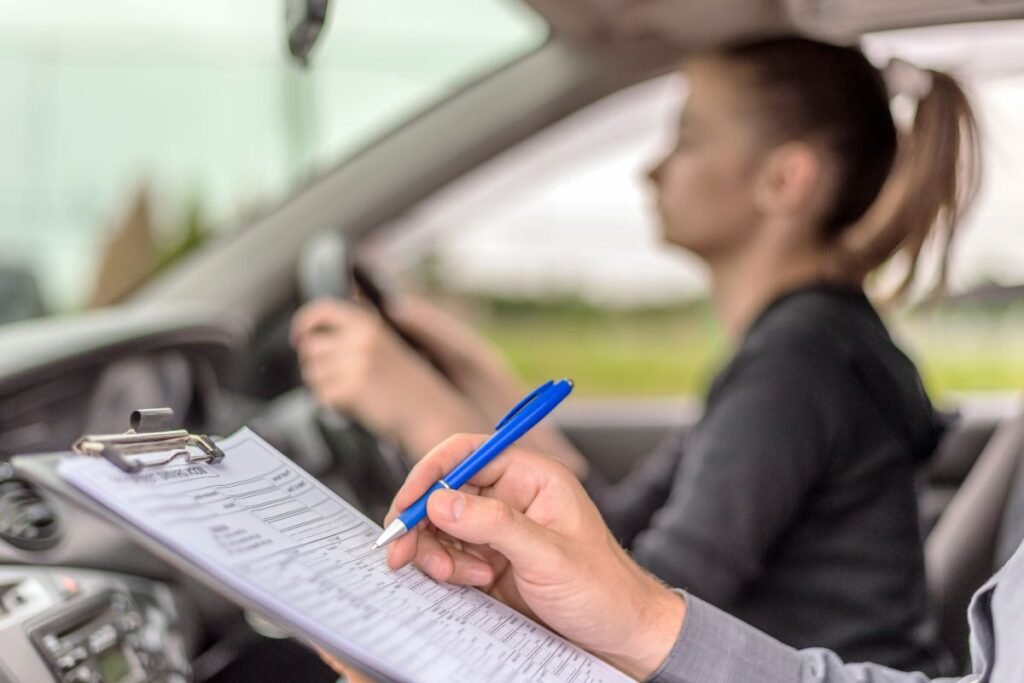
New DVSA updates are changing how learner drivers book and manage practical tests, and these new driving test rules in Birmingham are already affecting waiting times, test availability, and lesson planning across the city. The Driver and Vehicle Standards Agency (DVSA) has introduced new booking restrictions in response to growing concerns around unofficial booking services, long waiting times, and the increasing black market for driving test slots. For anyone currently taking driving lessons in Birmingham or preparing to book a practical test in 2026, understanding these new rules is important. The changes affect how tests can be booked, changed, and managed moving forward. Why the DVSA Has Introduced New Rules Driving test waiting times have remained a major issue across the UK over the past few years. In many Birmingham test centres, learners have faced long delays due to high demand, cancellations, and third-party booking systems purchasing slots in bulk. To improve fairness and reduce misuse of the system, the DVSA has introduced stricter booking controls aimed at ensuring tests are available directly to genuine learners. These updates are designed to: For learners attending a driving school in Birmingham, these changes may also affect how instructors help manage test bookings going forward. Only Learners Can Now Manage Driving Test Bookings One of the biggest changes introduced in 2026 is that only the learner driver is now allowed to book, change, or cancel a driving test. Previously, some instructors, agencies, or third-party apps managed test appointments on behalf of learners. Under the updated DVSA rules, this is no longer permitted. This means: The DVSA has already suspended thousands of accounts linked to unofficial booking activity. For anyone currently searching for driving courses in Birmingham, it is important to make sure your test is booked only through the official GOV.UK driving test service. Restrictions on Changing Test Centres Another major update affects test centre changes. Under the new rules, learners can now only move their practical test to one of the three nearest test centres connected to their original booking. This change has been introduced to stop people booking tests far outside their local area simply to secure earlier appointments. For Birmingham learners, this means planning ahead is becoming more important, especially if your preferred test centre already has long waiting times. Learners Are Limited to Two Test Changes The DVSA has also capped the number of appointment changes allowed after booking. Learners can now make only two changes to a driving test appointment before restrictions apply. This rule is intended to reduce repeated swapping and holding of appointments, which has contributed heavily to delays within the booking system. As a result, learners are being encouraged to: A structured learning plan through a reliable driving school in Birmingham can help reduce the need for repeated changes later. Driving Lesson Prices Continue to Rise Alongside booking rule changes, many learners are also seeing increases in lesson prices across the UK. Recent investigations by the Competition and Markets Authority (CMA) highlighted concerns around pricing transparency within parts of the industry. Major driving schools, including AA and BSM, were criticised for failing to clearly display compulsory booking fees during online checkout processes. At the same time, average lesson prices across the UK have risen to between £36 and £40 per hour due to: For learners looking for driving lessons in Birmingham, choosing a provider with transparent pricing and structured support is becoming increasingly important. Choosing a Trusted Driving School in Birmingham With new DVSA rules now in place, learners should also make sure they are working with approved instructors and legitimate training providers. The GOV.UK instructor finder can help verify whether an instructor is officially approved. When comparing driving courses in Birmingham, learners should look for: Reliable preparation is now more important than ever due to the stricter booking limitations introduced in 2026. The new DVSA driving test booking rules represent one of the biggest changes to the learner driving system in recent years. While the updates may feel stricter, the aim is to create a fairer system and reduce abuse that has contributed to long waiting times across Birmingham and the UK. For learners, the key takeaway is simple: plan ahead, prepare properly, and use only official booking channels. With structured support from a trusted driving school in Birmingham, learners can avoid unnecessary delays, stay compliant with the new rules, and approach their driving test with greater confidence and preparation. FAQs
What Actually Happens During a UK Driving Test From Start to Finish
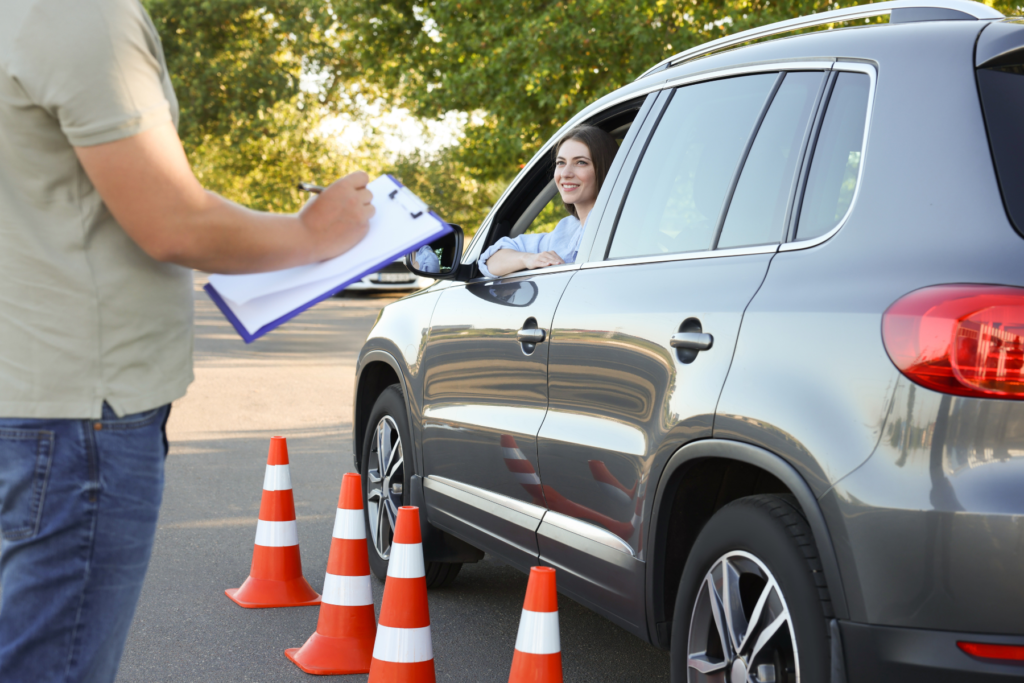
The driving test is designed to check whether you can drive safely on your own. It is not about perfect driving. It is about safe and confident decision-making on real roads. The structure is fixed by the DVSA, so every candidate goes through the same core process. Most learners feel nervous before the test, mainly because they do not know what to expect. Once you understand each stage clearly, the experience becomes much easier to handle. Arriving at the test centre You should aim to arrive a little early on the day. Not too early, but enough time to settle yourself and avoid rushing. Once you reach the test centre, you go to reception and check in with your provisional driving licence. The staff confirm your booking and then ask you to wait in the seating area. There is usually a quiet wait before the examiner calls your name. When your name is called, the test begins straight away. The examiner introduces themselves in a calm, professional way and walks you to your car. They briefly explain what will happen, so you know what to expect before driving off. First checks before driving Before the car moves, there are a couple of quick checks. The first is the eyesight check. You will be asked to read a number plate from 20 metres away. It sounds simple, but it is important. If you cannot do it, the test will not continue. After that, you move on to the “show me, tell me” questions. These are basic safety questions about the car. You might be asked how to check tyre pressure or how to use the windscreen demister. It is not about memorising answers. It is about understanding basic car safety. The driving part of the test This is the main section and usually lasts around 40 minutes. During a driving test Birmingham candidates will drive on different types of roads, including roundabouts and busy junctions. This includes residential streets, busier junctions, roundabouts, and sometimes faster roads depending on the test centre area. The examiner gives simple directions throughout the drive. You just follow them calmly and safely. They are not trying to confuse you or trick you. During a driving test Birmingham, examiners mainly want to see steady control of the car. That includes good observation, safe positioning, smooth steering, and sensible speed choices. Small mistakes can happen. That is normal. What matters is whether those mistakes affect safety. Independent driving section At some point in the test, you will drive independently for around 20 minutes. This is often the part that makes learner drivers most nervous, but it is actually quite straightforward. You will either follow a sat nav or road signs. The examiner does not give step-by-step directions here. You make your own decisions. If you take a wrong turn, it is not a problem as long as you do it safely. The examiner is not checking your navigation skills. They are checking how you handle the situation calmly. What the examiner is looking for Throughout the test, the examiner is quietly assessing your driving in the background. It is not a running commentary or constant correction. It is a steady observation of how you behave behind the wheel. They focus on things like awareness of other road users, use of mirrors, judgement at junctions, control in traffic, and overall road safety. Confidence matters, but safe judgement matters more. Manoeuvres during the test You will also be asked to complete one driving manoeuvre. This could be reversing into a bay, parallel parking, pulling up on the right and reversing, or something similar. You are allowed to take your time. There is no need to rush. The examiner is not looking for speed. They are looking for control, awareness, and safe observation. How faults are recorded Your driving is marked using a simple fault system. Minor faults are small mistakes. They are not dangerous on their own. You can get a number of these and still pass. Serious faults are more concerning. Dangerous faults are the most severe and usually lead to immediate failure. To put it simply: You can still pass with up to 15 minor faults, but one serious or dangerous fault will end the test result. Ending the test and getting your result After the driving is finished, you return to the test centre. The examiner parks the car and turns off the engine. You then receive your result inside. If you pass, you are given a pass certificate. This allows you to apply for your full driving licence. If you fail, the examiner explains the faults clearly so you know what to improve next time. There is no guesswork in the result. It is explained directly and simply. The driving test is structured, but it is not unpredictable. Every candidate goes through the same process, and the examiner is focused on safety, not perfection. Once you understand how it works, the pressure reduces significantly. You are not expected to be flawless. You are expected to be safe, aware, and in control. Book your driving lessons with Learner Driving School today and get expert local instructors who help you build real confidence, improve your skills, and pass your test with a calm, structured approach.